Good Food Governance
Shaping the future of public sector food
By Charlie Jackson
Good Food Governance
By Charlie Jackson
In the latest Bristol Good Food 2030 Charlie Jackson from Equilibrium Markets explains why dynamic procurement matters.
Public sector food procurement is at a turning point. For decades, the system has prioritised scale and cost above all else, often locking out smaller producers and limiting the ability of institutions to serve food that is local, sustainable, and truly beneficial to communities.
But change is happening. And at the heart of that change is the Dynamic Food Procurement National Advisory Board (DFPNAB).
The DFPNAB is a voluntary, independent coalition bringing together food system organisations, procurement practitioners, and policy experts with a shared mission: to transform public sector food procurement so it delivers better outcomes for people, the economy, and the environment.
Its roots lie in the groundbreaking Dynamic Food Procurement pilot in Bath and North East Somerset. That project proved what many of us have long believed is possible: schools reduced food costs by 6% across more than 60 primary schools, while also opening up supply chains to local small and medium-sized producers.
This is the promise of dynamic procurement: better food, fairer access, and smarter spending.
The Board has been co-founded and shaped by leaders deeply committed to systemic change. One such leader, Chrissy Storry (former Director at Bristol Food Network), was recognised in the King’s New Year Honours 2026 for her work in transforming public sector procurement toward more sustainable and locally sourced food.
This recognition reflects a broader shift: dynamic procurement is no longer a niche idea — it is gaining national traction.
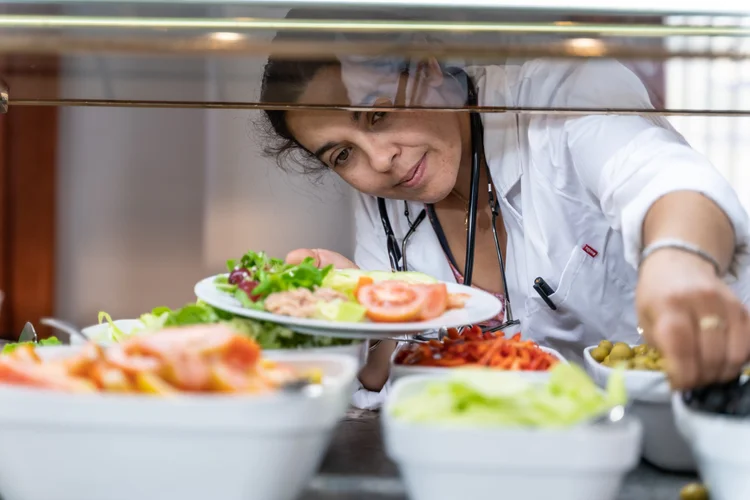
What makes the DFPNAB powerful is the breadth of voices it brings together. From policy and advocacy organisations to procurement specialists, public institutions and food producers, the Board represents the full ecosystem needed to drive change.
This includes organisations working on sustainable farming, food policy, procurement innovation, production and public sector delivery, alongside government observers and local authorities already putting new approaches into practice.
The Board’s work is focused and ambitious. By 2028, it aims to direct £150 million of public sector food spend toward SME producers using dynamic procurement principles, with at least £25 million of that linked to farm-level sustainability data.
Over the past year, that ambition has translated into real progress:
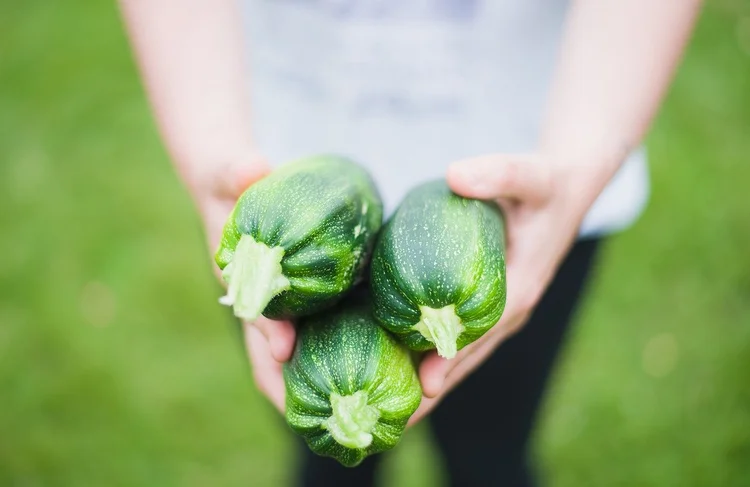
Public sector institutions — from schools to hospitals — serve millions of meals every day. The way that food is sourced has enormous implications: for farmers, for local economies, for climate goals, and for public health.
Dynamic food procurement offers a route to align all of these outcomes. It creates more resilient supply chains, supports smaller producers, and enables buyers to make decisions based on quality and sustainability — not just price.
The momentum behind dynamic procurement is building, but there is still work to do. Scaling this approach nationally will require continued collaboration, clear policy frameworks, and the right infrastructure to support buyers and suppliers alike.
The DFPNAB is helping to make that happen, connecting the dots between policy, practice, and innovation.
At Equilibrium Markets, we also believe this is one of the most important shifts in the food system today. And we’re committed to playing our part in making it the new normal.
Find out more: www.dynamicfood.org.
DFPNAB member organisations include Soil Association, University of Bristol, Frank’s Farm, National Farmers’ Union, Blackpool Council, Shillingford Organics Farm School, Food Drink Devon CIC, Pasture for Life, Government Commercial Agency and Equilibrium Markets.
To stay updated on future events, job opportunities and news, don’t forget to sign up for the Bristol Good Food Update at bristolgoodfood.org/newsletter.
So, what change do you want to see happen that will transform food in Bristol by 2030? Do you already have an idea for how Bristol can make this happen? Join the conversation now.
* Required field
Good Food Governance

Good Food Governance
Good Food Governance
Good Food Governance