Urban Growing
Growing possibility from waste: intro to reclaimed woodworking
By Ruth Hislop-Gill
Urban Growing
By Ruth Hislop-Gill

Bristol Good Food 2030’s Projects and Impact Coordinator, Ruth Hislop-Gill, also works with The Woodshop of Recycled Delights, a wood recycling initiative that transforms waste timber into valuable community resources. Discover how this inspiring project is reducing waste, building confidence, and creating new growing spaces in areas where access to soil, gardens, or green space is limited.
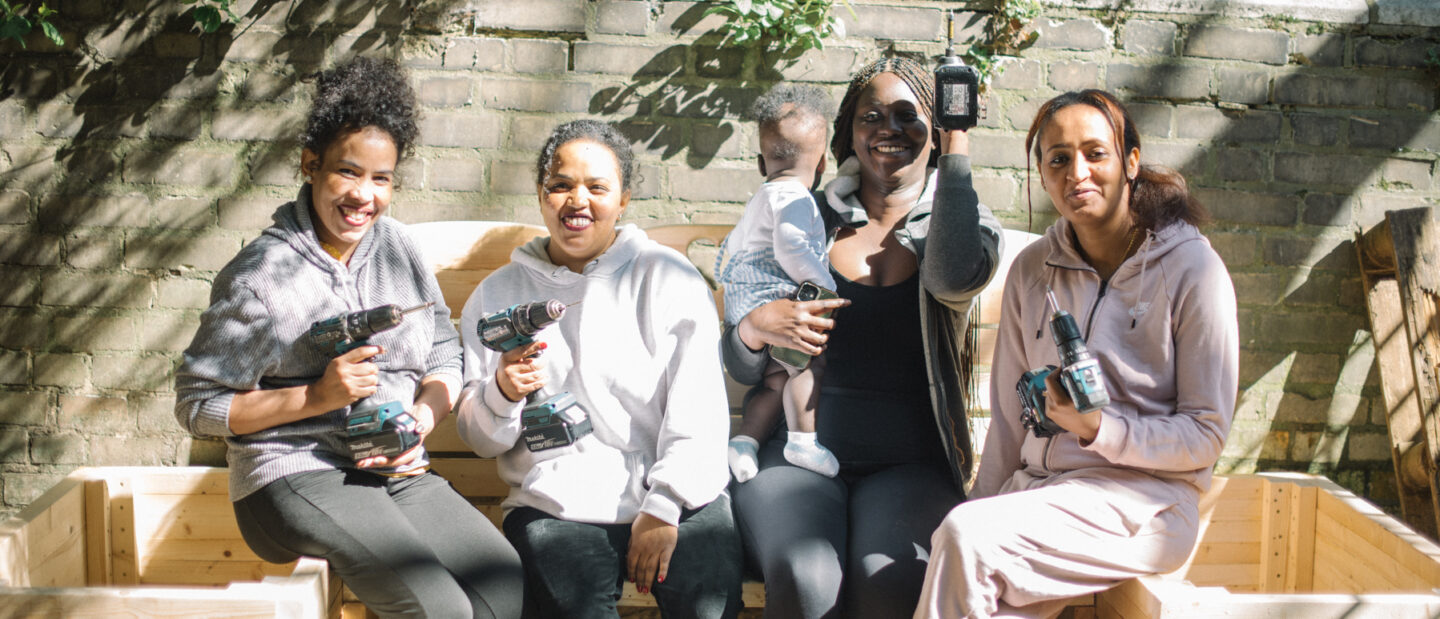
This spring, The Woodshop of Recycled Delights (WoRD) is teaming up with the brilliant folks at Bristol Wood Recycling Project (BWRP) to deliver a hands‑on, beginner‑friendly workshop.
This workshop is about much more than learning how to use tools. It’s about reducing waste, building confidence, and creating new growing spaces in places where access to soil, gardens, or green areas can be limited.
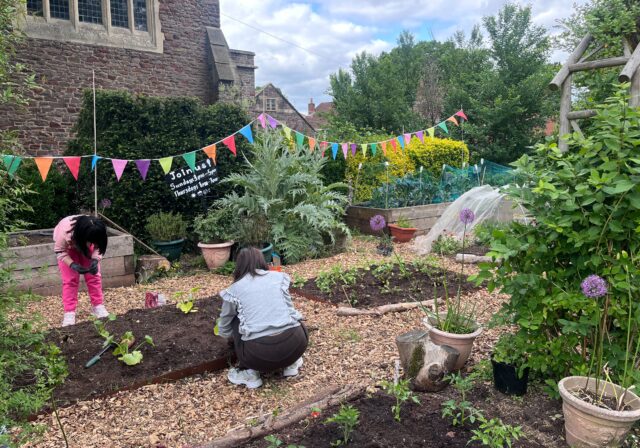
Across Bristol and beyond, many people live in flats, on busy roads, or in areas with very little access to green space. Community gardens, balconies, courtyards, pavements, and rooftops often become places where growing happens, if the right infrastructure is there.
Planters play a crucial role in making this possible. They turn hard surfaces into places for food, flowers, and nature connection. And when those planters are made from reclaimed timber, they also help tackle another challenge: timber waste.
Every year in the UK, millions of tonnes of usable wood is discarded – around 4.5 million tonnes in 2023 alone. While timber is often seen as a renewable resource, its extraction, processing, and transport all come with environmental costs. Reusing what already exists is one of the simplest and most effective ways to reduce waste and pressure on natural resources.
Since its inception, WoRD has collaborated with community spaces across London, building long‑lasting garden infrastructure and equipping people with the knowledge and skills to start their own projects using waste timber. We’re super excited to begin this new chapter in Bristol and couldn’t be more pleased to be working alongside BWRP, an organisation that shares the same values around reuse, access, and community benefit.
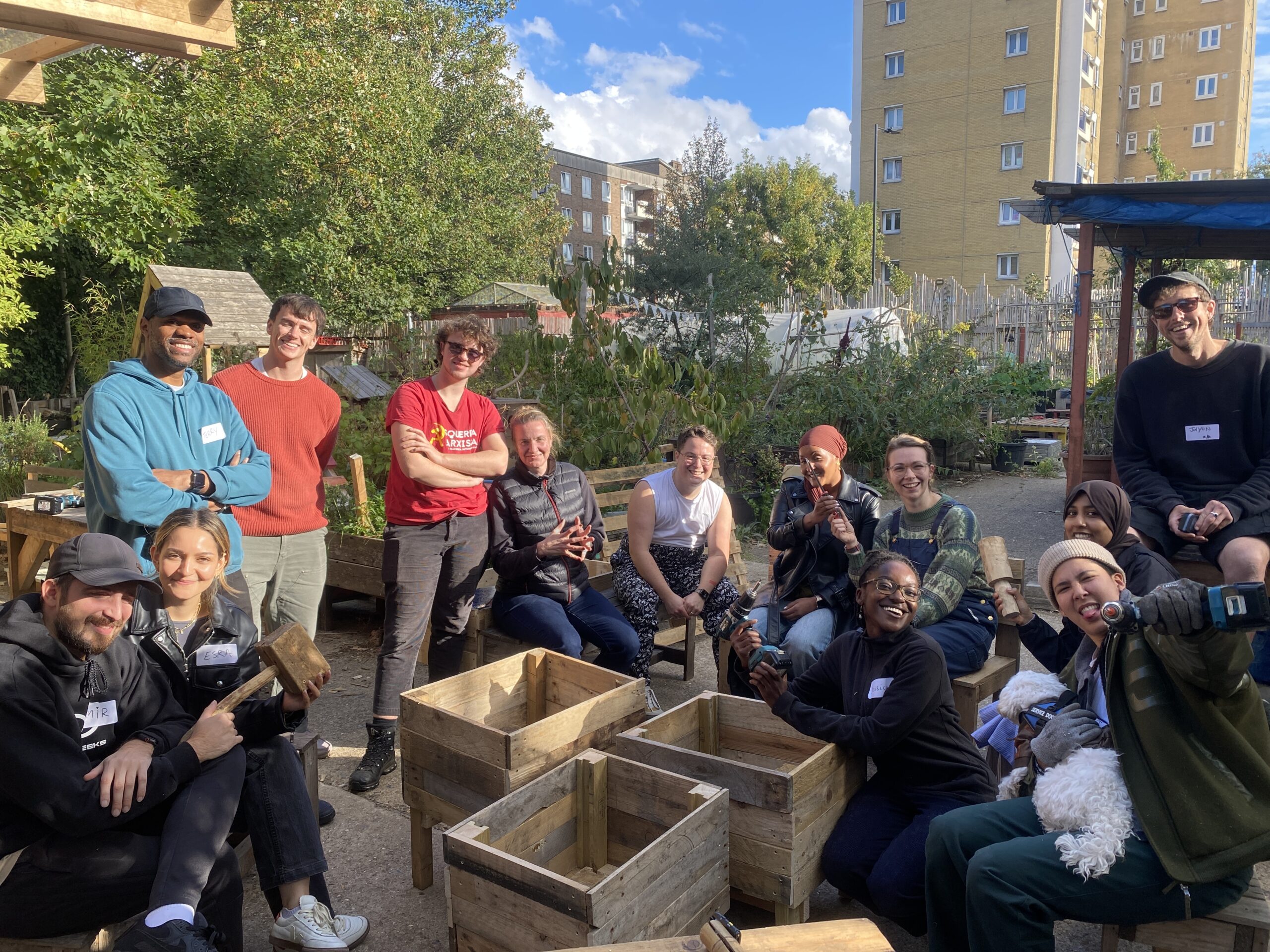
At BWRP, discarded wood is reclaimed and given a second life. At WoRD, reclaimed materials become a starting point for creativity, learning, and meaningful making. Bringing these two organisations together feels like a natural meeting of shared values and practice, turning waste into something useful, joyful, and rooted in community.
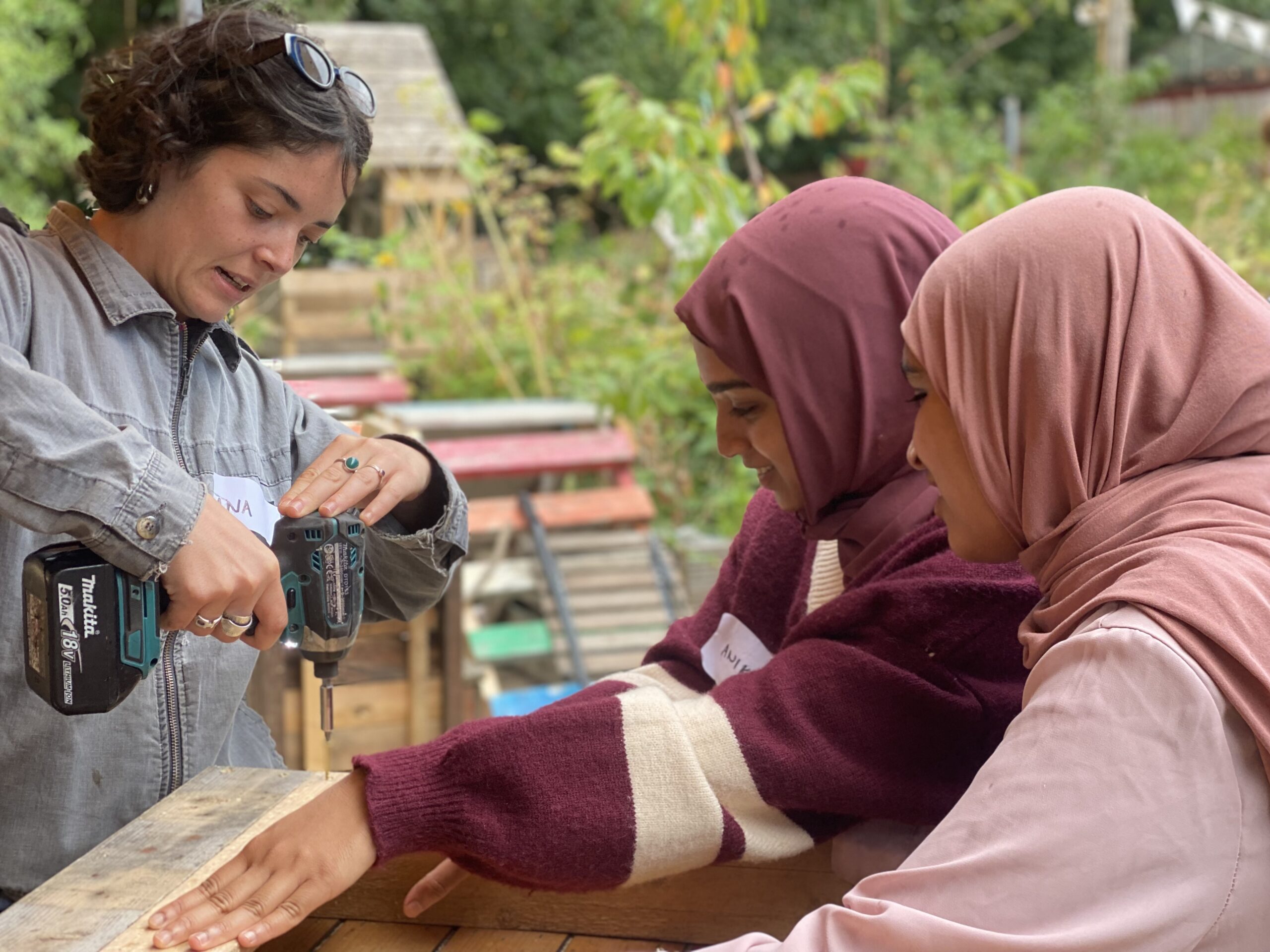
This workshop has been designed especially for total beginners – people who are curious about woodworking, keen to learn how tools work, and interested in making things from reclaimed materials.
Rather than focusing on perfection or polished outcomes, the emphasis is on learning by doing, asking questions, and supporting one another through the process. It’s a co‑learning space, led by experienced facilitators but shaped by everyone taking part.
Participants will spend the day getting hands‑on with reclaimed timber and learning foundational woodworking skills in a supportive environment.
During the workshop, you’ll explore:
Together, participants will build garden planters, which will go on to be distributed to community organisations to support growing projects across the city.
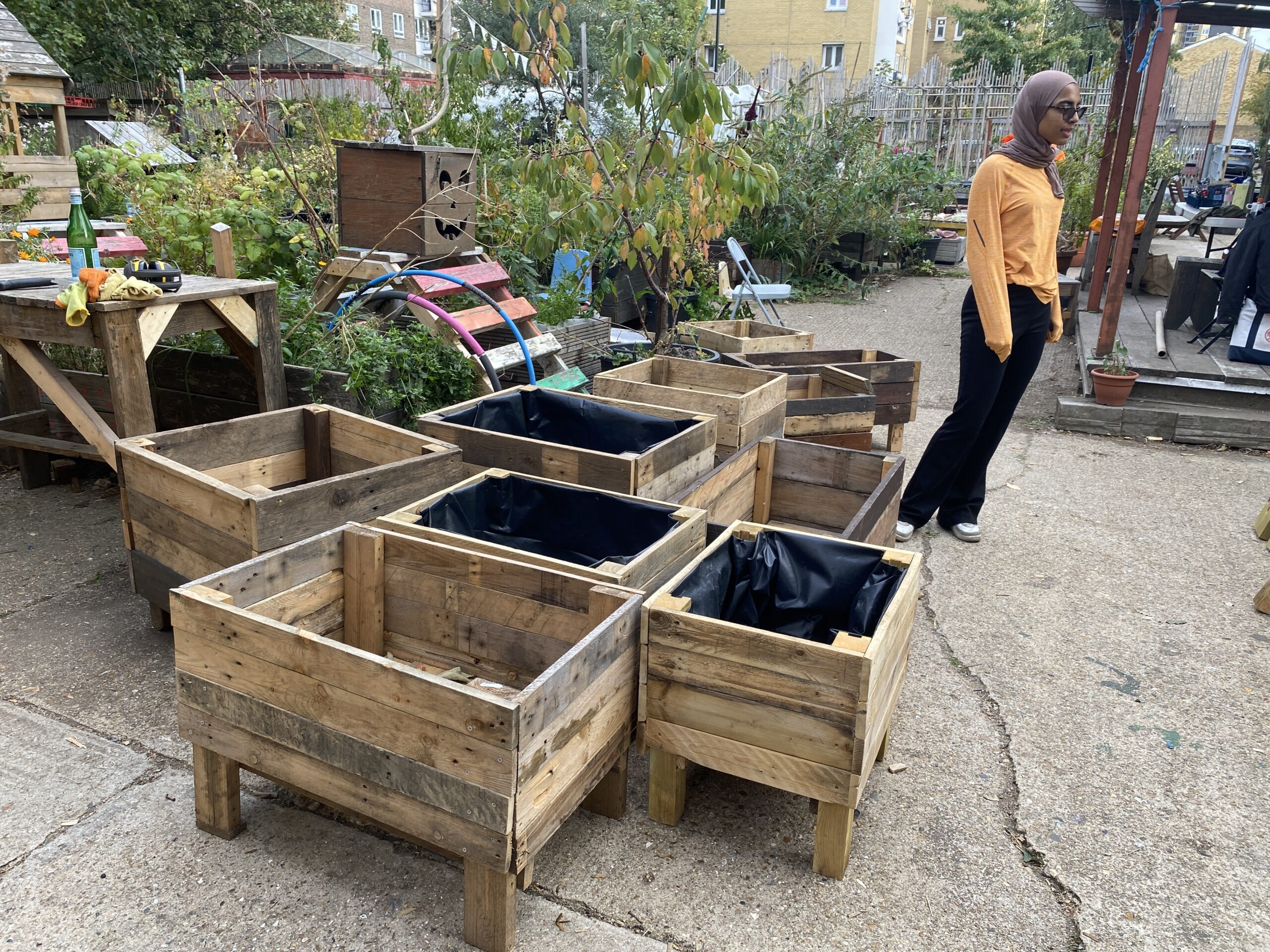
One of the most exciting things about working with reclaimed timber is its versatility. Planters can be adapted to all kinds of spaces: narrow pavements, schoolyards, courtyards, care settings, and places where digging into the ground isn’t possible.
Reclaimed wood projects open up creative possibilities — from water‑efficient planters and seating, to pergolas and shared social spaces. Time and again, people are surprised by what can be made from materials that were once considered waste.
This workshop is an invitation to start seeing those possibilities for yourself.
Workshops like this show how climate action, community growing, and skill‑sharing can come together in simple, practical ways. They highlight that sustainability doesn’t have to be complex, it can be social, creative, and rooted in community learning.
If you’re curious about woodworking, interested in reducing waste, or passionate about expanding access to green space, this workshop offers a supportive place to begin.
To stay updated on future events, job opportunities and news, don’t forget to sign up for the Bristol Good Food Update at bristolgoodfood.org/newsletter.
So, what change do you want to see happen that will transform food in Bristol by 2030? Do you already have an idea for how Bristol can make this happen? Join the conversation now.
* Required field
Urban Growing
Urban Growing

Urban Growing

Urban Growing