Urban Growing
Exploring a regenerative approach at Lawrence Weston Community Farm
By Alice Peperell
Urban Growing
By Alice Peperell

Read about a recent conference open day at Lawrence Weston Community Farm – attended by the Bristol Good Food 2030 Partnership Manager, Alice Peperell – and the conversations shaping its future. If you’re keen to get your hands in the soil and be part of a thriving community, their Thursday and Friday Gardening Clubs are a brilliant place to start.
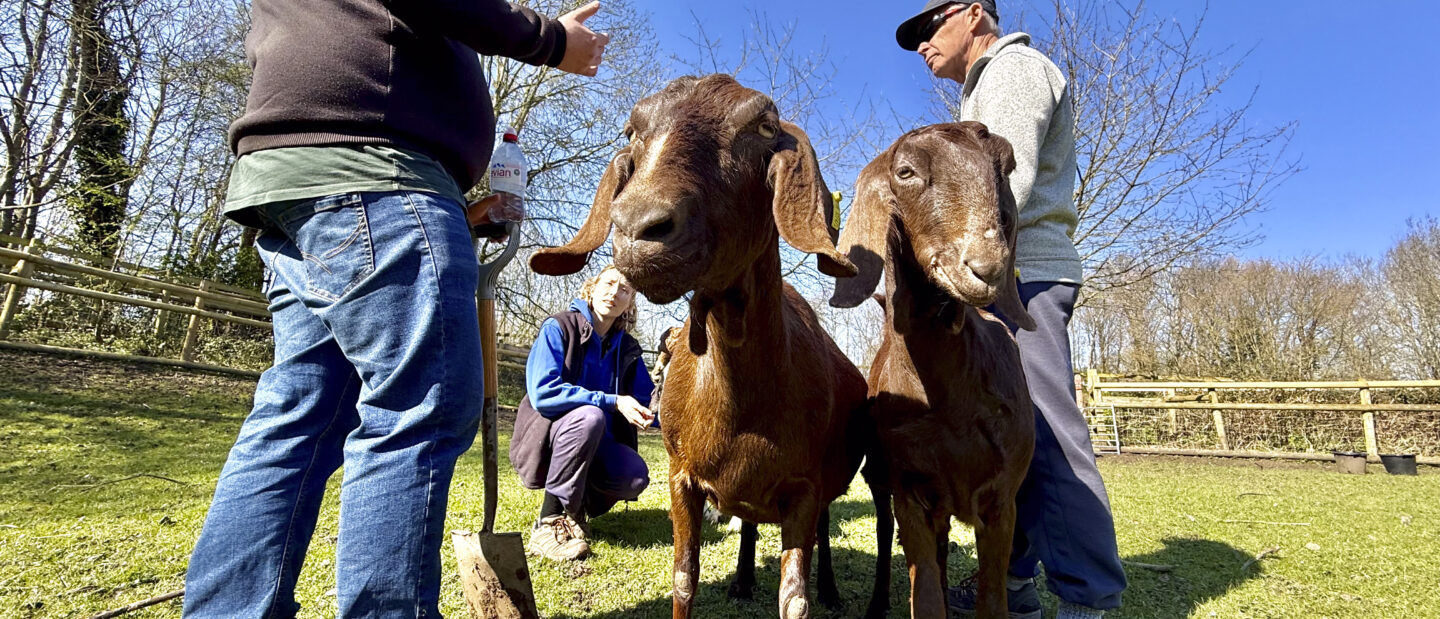
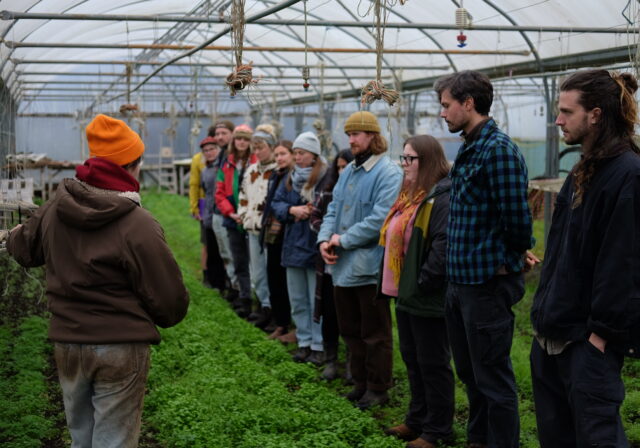
I wasn’t quite sure what to expect when I headed over to Lawrence Weston Community Farm for their conference open day. The word “conference” had me picturing presentations and flipcharts. It was nothing like that. It was a day of walking the land, talking openly, sharing ideas and spending time with people who care deeply about what they’re doing and why.
The day was shaped around four themes: water, soil and compost, growing, and animals. All part of the farm’s wider exploration of what a regenerative approach could actually look like on a small urban community farm.
The farm team weren’t presenting a polished plan or telling us they’d figured it all out. They were sharing what they’re trying, what’s proving difficult and where they’re genuinely looking for ideas and practical help from others. I found that kind of openness really refreshing and it set the tone for the whole day.
Lawrence Weston Community Farm is many things at once. A place of learning, volunteering and connection, but also a working farm and food-producing space.
Conversations ranged widely across food production, land management, biodiversity and community engagement. There was a lot of practical discussion about water storage and rainwater capture, soil health, grazing and compost. And a real appetite to strengthen the growing side of the farm alongside the animals that many visitors already know and love.
We also spent some time learning about the farm’s bees, including how their needs change through the seasons and how the team are continually adapting and learning as they go.
Heart of BS13 came up during the compost discussion as a brilliant example of closed loop composting and the way that model connects back into the community. It’s the kind of thing Bristol does so well, organisations learning from and building on each other’s practice.
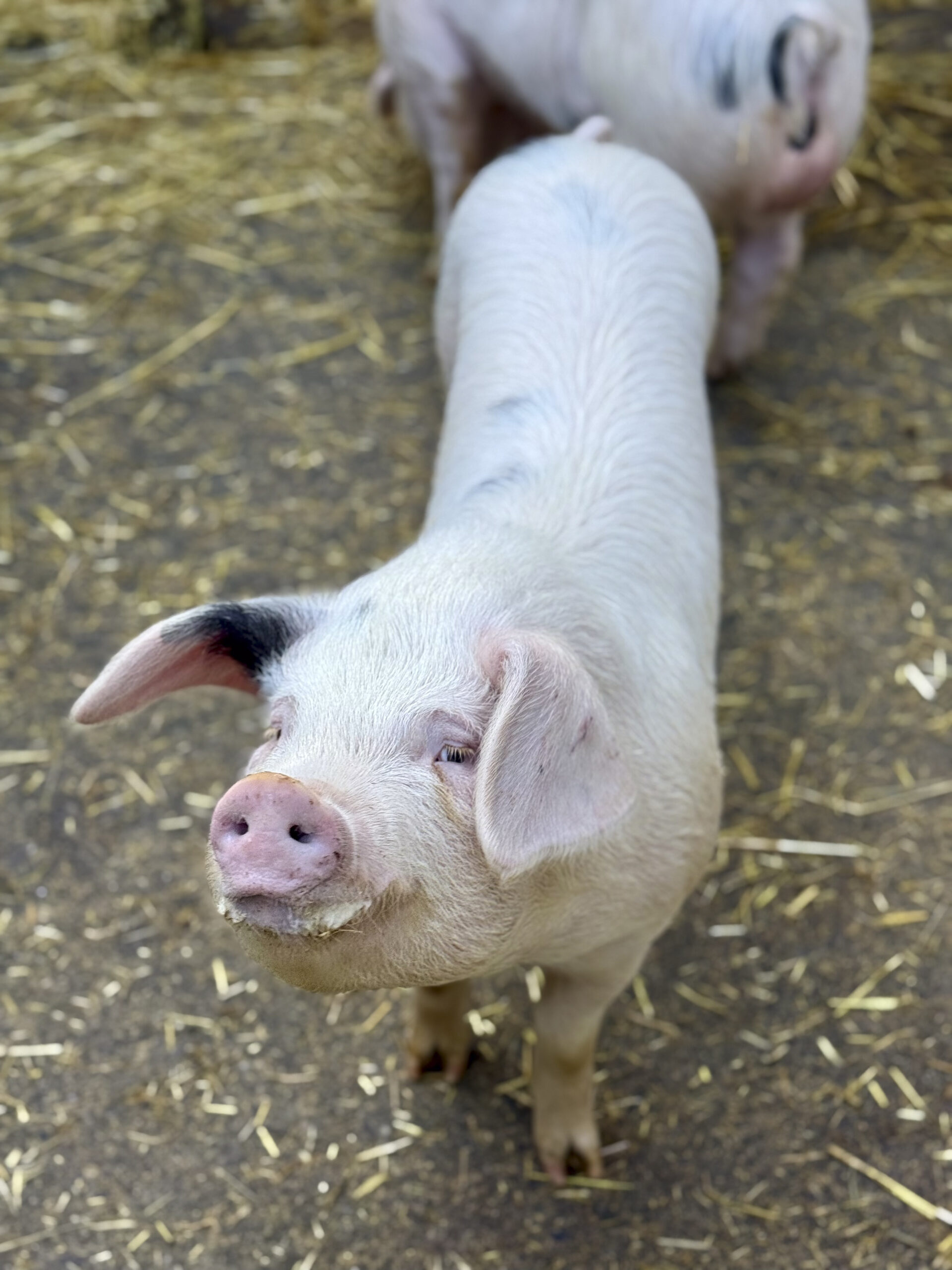
The pigs came up a lot too, both as part of the visitor experience and as one of the farm’s strongest sellers. I left with sausages from the farm shop, made from two pigs raised right there on the farm and they were delicious. And lunch, wow. It was next level, the kind of spread that stops you in your tracks, packed with colour, flavour and real care. It felt like a perfect expression of everything the farm is about.
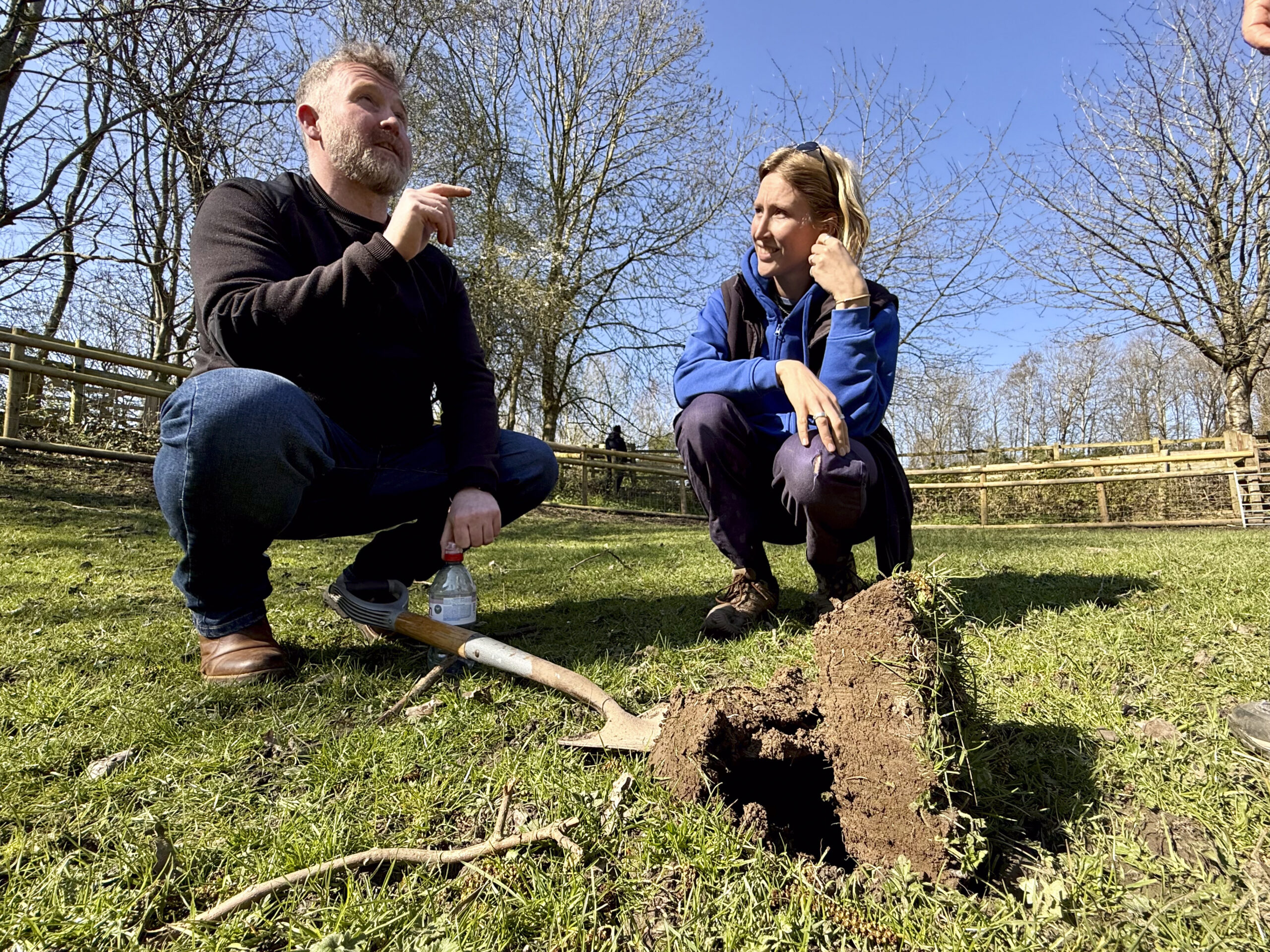
The group discussion at the end pulled a lot of threads together. People shared ideas about making more of what already happens on the farm visible to visitors and the wider community. Things like outdoor signage, wildlife tallies, simple ways to show the activity and care that might otherwise go unnoticed by people just passing through.
I shared some thoughts on feedback and impact, something we think about a lot in our work. The good news is it doesn’t have to be complicated. Starting small and capturing what you’re already doing, is more than enough to begin with. A quote here, a volunteer reflection there, a simple count of who showed up and why. Over time that adds up to a genuinely useful picture. Bristol Good Food 2030’s Projects and Impact Coordinator Ruth Hislop-Gill’s blog on the Community Growers Network impact workshop is well worth a read for practical and honest ideas that are easy to act on.
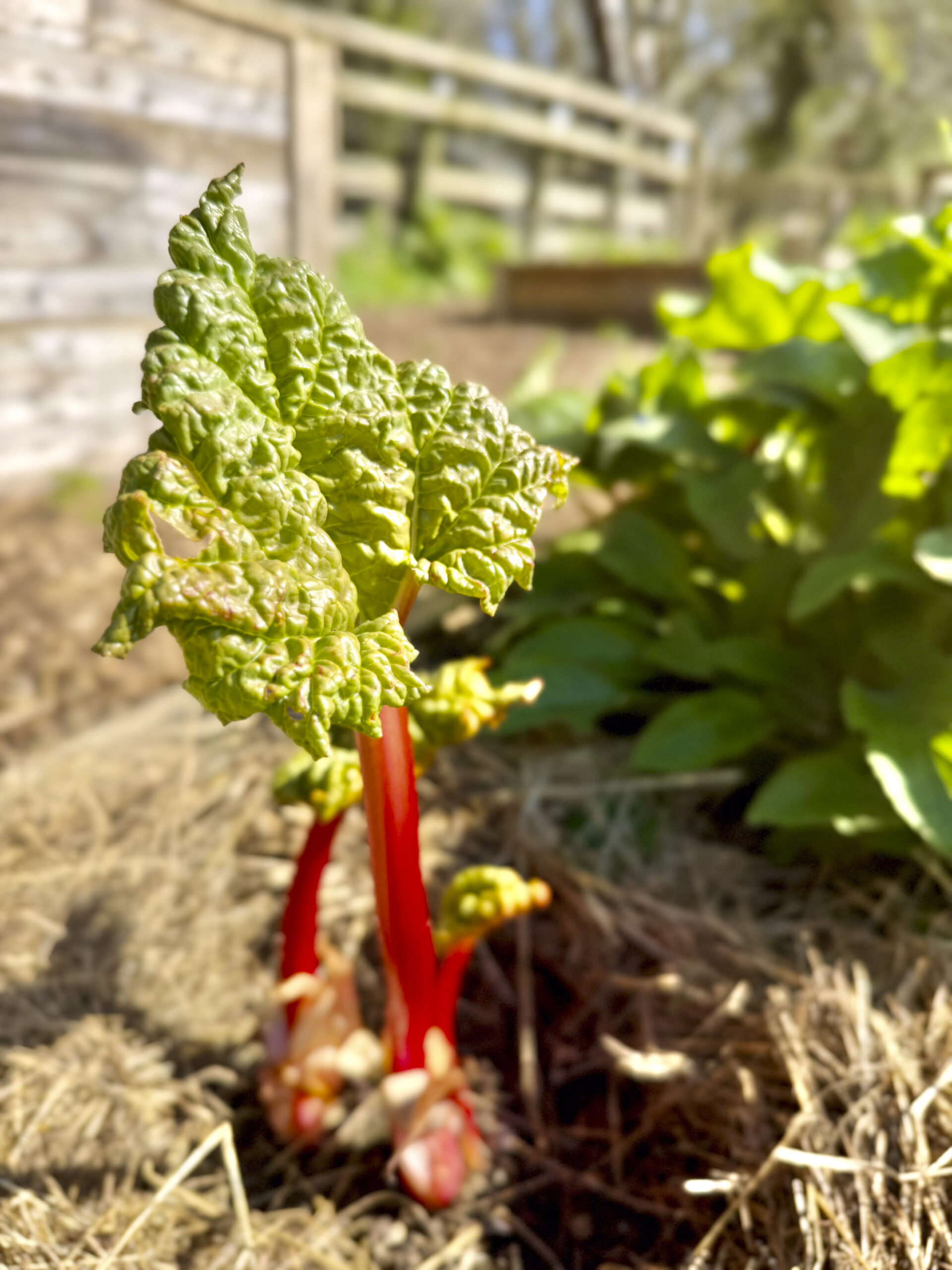
One of the best parts of the day was simply being there: on the land, around the animals, with people who clearly love the place. It felt grounding in a way that’s hard to put into words. A lot of partnership work happens in meetings and inboxes, and days like this are a good reminder of the actual places and people the work is about.
It also felt like a good example of what Bristol does well. Sharing ideas, asking questions without needing all the answers yet and building things together. Lawrence Weston Community Farm is already doing so much and it was a real pleasure to spend time with people thinking carefully about how to keep growing in ways that are good for food, for community and for the land.
Get involved with Lawrence Weston Community Farm’s Thursdays Gardening Club, 10-11.30am and the Fridays Gardening Club, Fridays 10am-1pm.
To stay updated on future events, job opportunities and news, don’t forget to sign up for the Bristol Good Food Update at bristolgoodfood.org/newsletter.
So, what change do you want to see happen that will transform food in Bristol by 2030? Do you already have an idea for how Bristol can make this happen? Join the conversation now.
* Required field
Urban Growing
Urban Growing
Urban Growing
Urban Growing