Eating Better
Cooking up a storm
By Nicola Deschamps (ANutr)
Eating Better
By Nicola Deschamps (ANutr)

Nutritionist Nicola Deschamps (ANutr) explores the real value of home cooking and how it benefits us as individuals, our families and our communities.
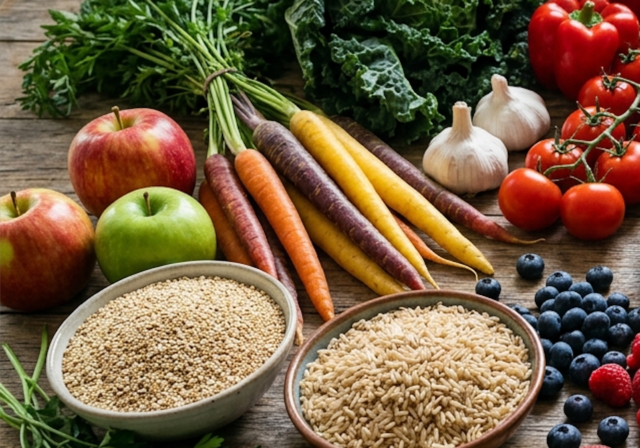
“An apple a day keeps the doctor away” is a traditional saying that highlights the importance of eating nutritious, plant-based foods to support good health and avoid illness. Another old saying is, “The heart of the home is the kitchen.” So true! My family has always hung out around the kitchen table, and we still do when we visit my parents, especially if my dad is cooking, which he still does at 82!

My dad cooks what he grows. These days, he sticks to growing a few of his favourite fruits and vegetables. Less is more, he says. Similarly, the meals he makes for mum and himself are not as elaborate as they used to be, but they’re no less delicious. He likes making stir-fries with his homegrown vegetables. Cooking can be as complex or as simple as you want it to be. The important thing is to do it. When I’m busy or tired, or both, I make soup. One of my favourites is butternut and sage soup; I use just six ingredients: oil, butternut, stock, sage and salt and pepper. It’s so tasty, warming and filling.
Home cooking offers many benefits for your physical health, mental wellbeing, your wallet and social bonds. If you make a meal from scratch, you know exactly what’s in it, so you avoid the preservatives, artificial colours, emulsifiers and other additives often found in shop-bought processed foods. You’re in control of the amount of salt, sugar and fat you use. Evidence shows that regularly eating home-cooked main meals leads to higher fruit and vegetable intake, lower body fat and a healthier BMI.

Cooking for yourself or your loved ones feels good. Turning fresh ingredients into a delicious and nourishing meal can give you a real sense of achievement and boost your confidence, making the cooking experience even more rewarding. Cooking at home can help save money – buy produce in bulk, choose seasonal fruit and vegetables, and plan meals in advance, which can also reduce waste. When you’ve got a bit of time free, head to your kitchen and do batch cooking, using your favourite recipe, or perhaps try a new one. You’ll thank yourself on those busy days when there’s something ready to reheat. For some, cooking and baking are a form of self-expression, an opportunity to be creative, trying new recipes and flavours.

I developed a love of food and home cooking as a child, watching my dad in the kitchen, washing, chopping, stirring and serving family meals. He was an inspiration and seeing him gave me the confidence to give it a go, and I’ve not stopped since! Children learn by watching and doing, and cooking is an essential life skill. It builds confidence and independence, promotes healthier habits from a young age, and can be fun, if a bit messy sometimes!
Preparing and sharing meals with family and friends strengthens bonds and communication. The power of food extends beyond the home and into the community, bringing people together. Food skills taught through community education and training promote resilience, health and connection, and support the local economy, too. Community food skills empower people to turn basic ingredients into healthy meals and provide opportunities to build relationships and share knowledge. Many communities have green spaces for gardening, growing food, seed-saving and sharing produce. Growing or buying local and seasonal food helps support more sustainable food systems and reduces environmental impact.
There are organisations across Bristol committed to improving the city’s food system for communities, the climate and nature. Explore the Bristol Good Food directory to learn who is doing what in your area, such as urban growing or initiatives that support residents in eating better and reducing waste.
Nicola Deschamps is a registered nutritionist (ANutr), author and editor: targeteditorial.co.uk.
Photos from Pixabay and the author.
So, what change do you want to see happen that will transform food in Bristol by 2030? Do you already have an idea for how Bristol can make this happen? Join the conversation now.
* Required field