Eating Better
Redcatch Community Garden’s food and nature-focused climate and disability project
By Jaque Taylor
Eating Better
By Jaque Taylor

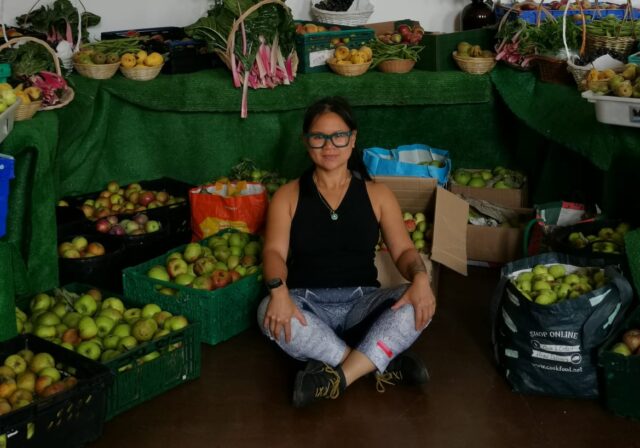
Jaque Taylor (pictured left) reports on Redcatch Community Garden’s year-long climate and disability project – an inclusive, hands-on initiative that’s opening up new opportunities for Disabled people to connect with nature, food and community. Read on to discover how you can support their work or get involved.
Redcatch Community Garden’s (RCG) food and nature-focused climate and disability project was commissioned by Bristol Climate & Nature Partnership and funded by the National Lottery’s Climate Action Fund. The Community Climate Action Project is a citywide programme that demonstrates how community-led efforts can support Bristol in meeting its nature and climate goals while simultaneously increasing people’s overall quality of life.

This year-long initiative for the garden, which started in October of 2024, aims to provide new opportunities for disabled people in the local area where they can learn new skills, build confidence and gain a real sense of community and connection, all while contributing to food security and climate action.
I spoke with Cath Atkinson, Redcatch Community Garden Programme Manager, who said it’s a very exciting time for the garden with the opportunities the fund has opened up. She told me about two uses of the funding so far, which include a weekly woodworking group as well as inclusive children’s cookery sessions.
The woodworking group, which meets every Thursday morning, has adults from diverse backgrounds — including those with learning disabilities— learning woodworking skills in an accessible environment. During the sessions, they’re able to form meaningful connections with their peers as they work together to build raised beds, planters, woodworking shelters and more. You can purchase planters here, where all proceeds will go directly back into continuing the group.
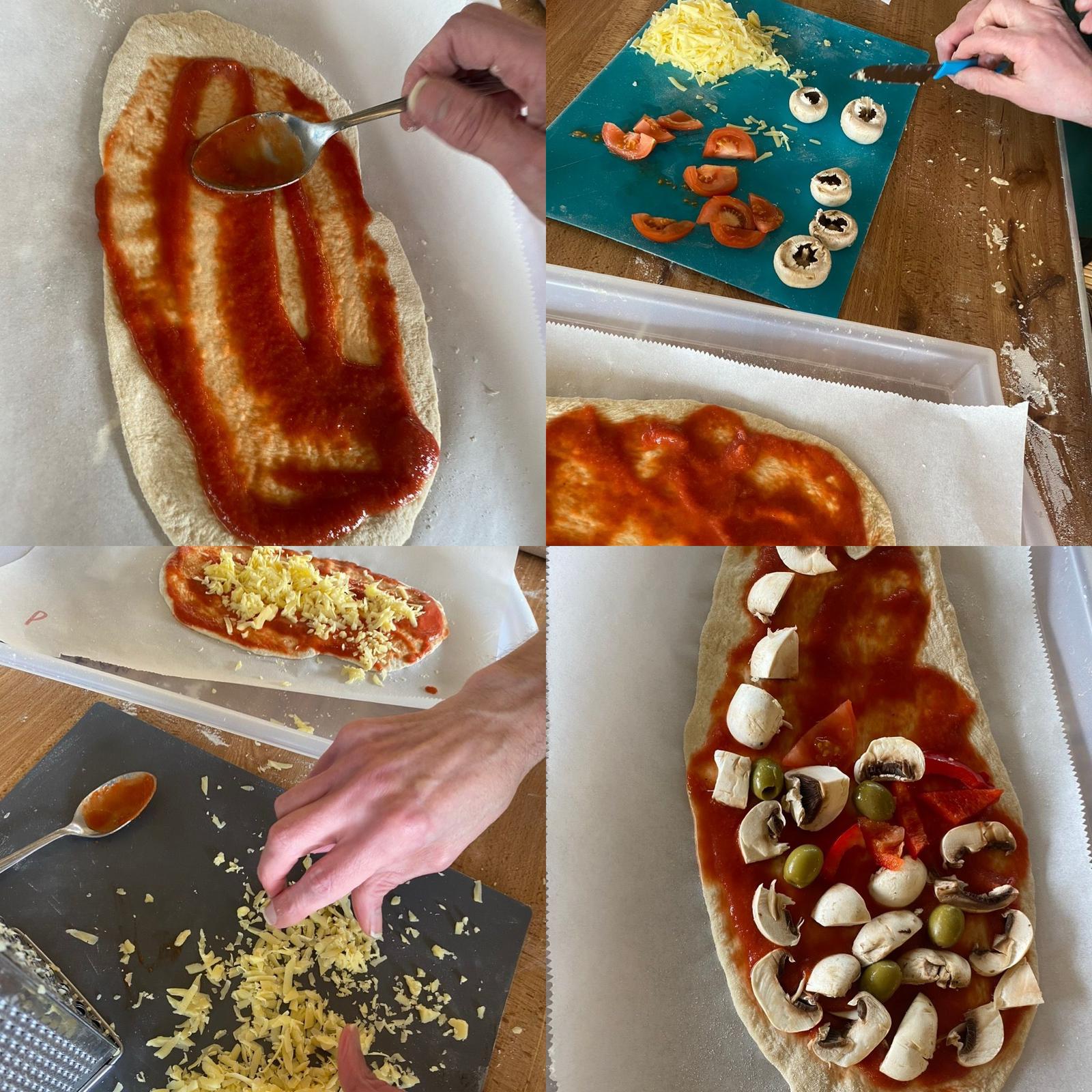
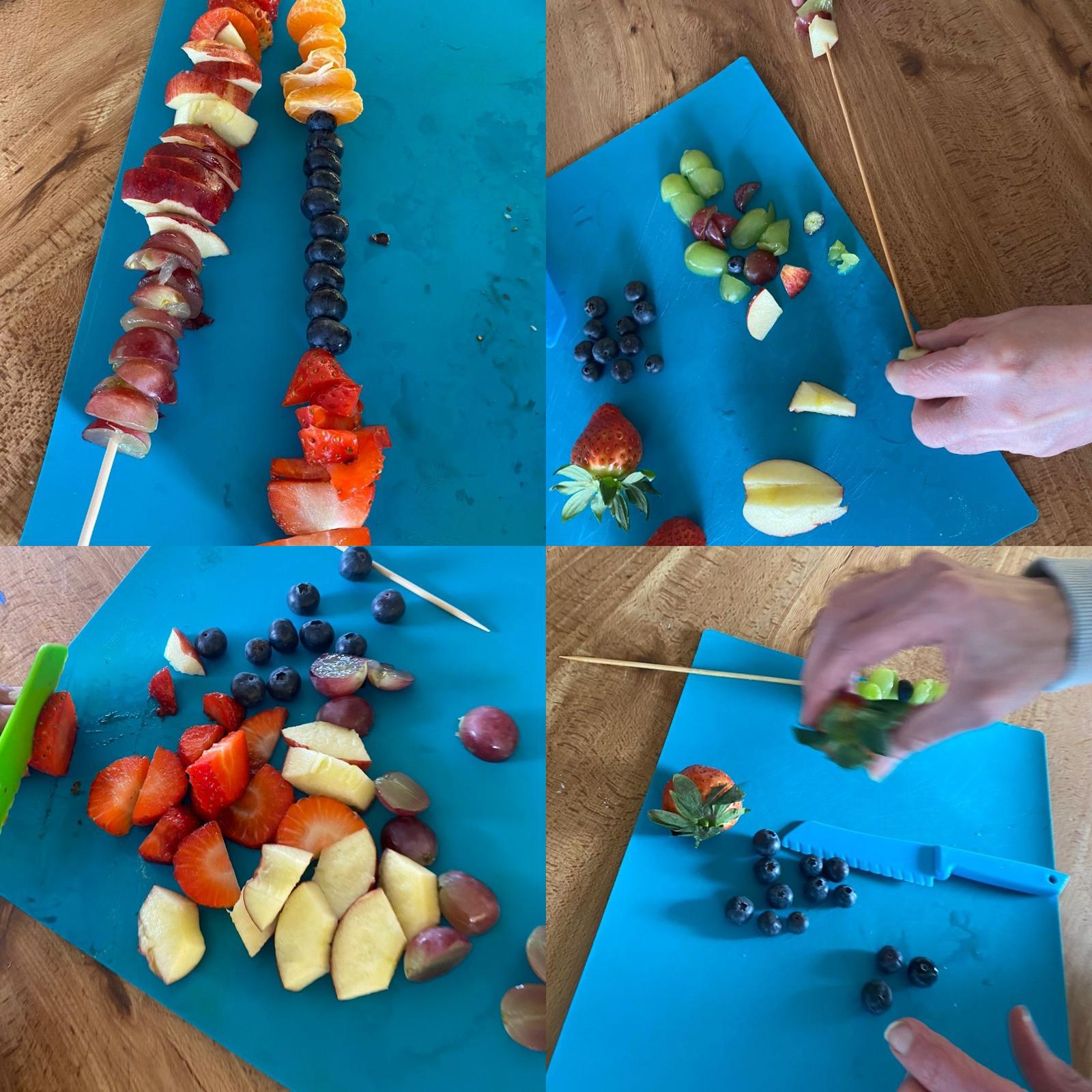
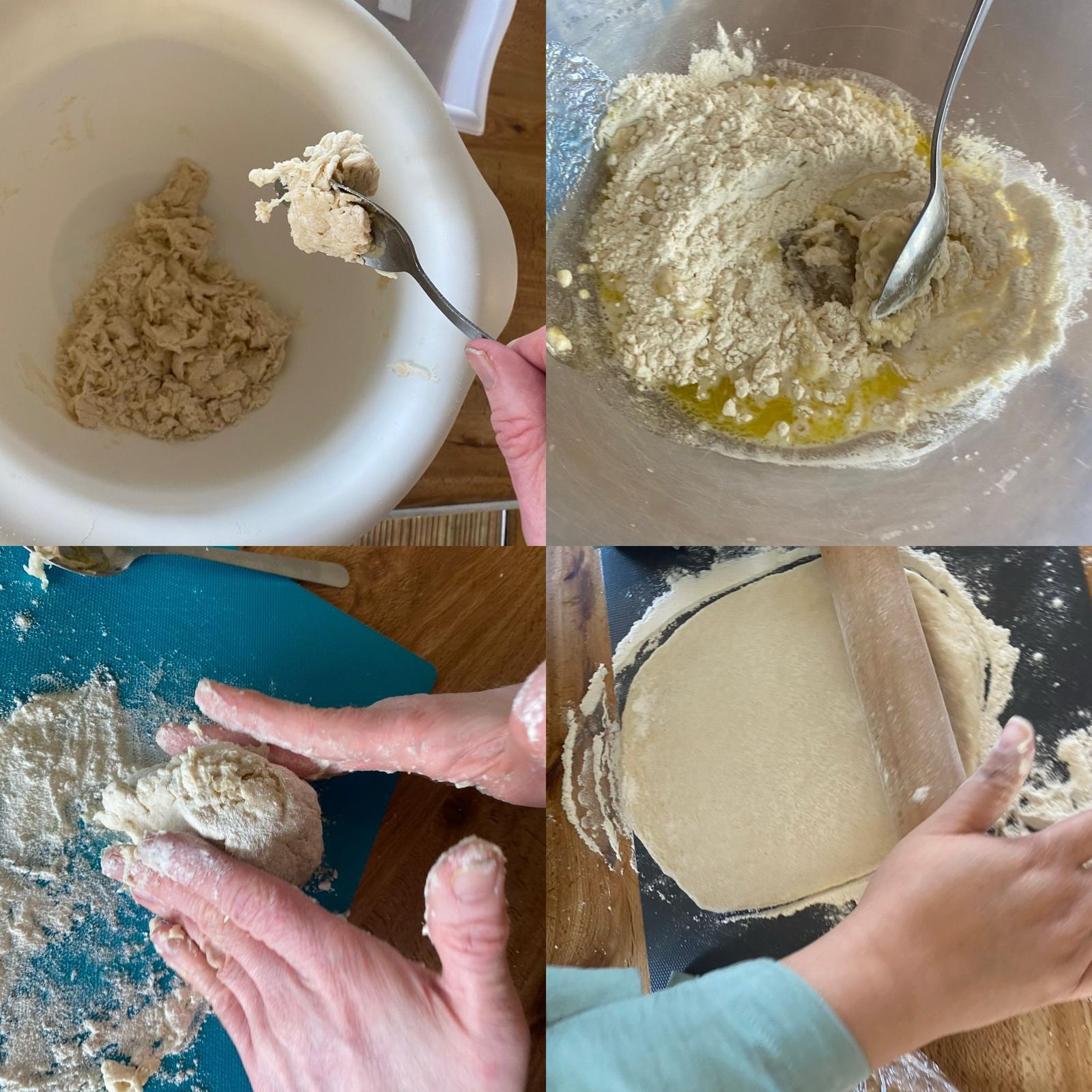
She also explained that they host cookery sessions, too. In March, RCG welcomed students from Hillcrest School, who had the opportunity to learn hands-on cooking skills by making individual pizzas and fruit kebabs. The feedback from the session was very positive, and the children took away important lessons about sustainable and healthy eating. The initiative aims to make climate action inclusive and accessible to all, keeping Disabled people in mind.
Furthermore, RCG is using the funding to host inclusive gardening workshops, art therapy groups for people living with dementia, as well as more cookery sessions for Disabled people, give out homegrown, home-cooked meals to those in need, and increasingly include Disabled people in local climate action and green spaces.
“With us being a garden, it’s not the easiest to get around for people with mobility impairments, but we’re learning how to improve that” said Cath. She explained that there’s an accessibility map of the garden available and that they’re continually working to increase garden access. There’s currently a new tarmac path to the sensory garden, with plans to do the same for the garden’s table area, replacing wood chips that are far more difficult for wheelchairs to traverse.
Cath said that at RCG they’re always learning how to become more accessible for all. Recent training sessions, for example, led them to change the colours they use on their posters, after learning that certain backgrounds and colours are more accessible for those who are visually impaired.
RCG also just recently received planning permission for a new cafe, featuring an accessible toilet, indoor space, as well as more cooking facilities, including a bigger kitchen, which should provide even more opportunities for the Disabled community. They’re trying to get more Disabled people involved by inviting them to serve the teas and coffees and help with the cooking.
And for anyone who wants to help, she suggests coming and volunteering for events, helping with the wellbeing groups, spreading the word and simply letting people know about the Garden. Or if you just fancy a visit, feel free to pop down and have a stroll through the garden anytime, or likewise book ahead if you want to attend a specific session.
“It’s amazing how many people don’t know we’re here. From the outside we look might like we’re a cafe and in a park but we’re so much more, we are a real community hub” said Cath.
The summer is an especially bustling time for the garden, so be sure to follow RCG on Facebook or Instagram, and keep an eye out for their online and printed newsletter, and notice board which is the best way to find out about all their upcoming events.
Bristol Climate & Nature Partnership brings together 1,300+ organisations to create positive change across climate, nature and social justice. Find out more on their website.
To stay updated on future events, job opportunities and news, don’t forget to sign up for our monthly newsletter at bristolgoodfood.org/newsletter.
So, what change do you want to see happen that will transform food in Bristol by 2030? Do you already have an idea for how Bristol can make this happen? Join the conversation now.
* Required field
Food Justice
Urban Growing
Eating Better

Eating Better