Urban Growing
Planting the seeds of success: Bristol’s new regenerative land-based systems course exceeds expectations
By Jaque Taylor
Urban Growing
By Jaque Taylor

A pioneering regenerative farming course has surpassed expectations, attracting overwhelming demand and achieving outstanding completion rates while equipping Bristol’s next generation of growers with practical skills for a more sustainable future. Read Jaque Taylor’s report to discover why interest is soaring, and join the Bristol Food Producers mailing list to hear about future course opportunities.
Bristol Food Producers celebrates a major milestone following the successful completion of its first-ever Level 2 Training Course in Regenerative Land-Based Systems, with an impressive 100% completion rate and 98.5% attendance. The results reflect not only the sheer quality of the course but also the clear commitment and enthusiasm of its 12 participants.
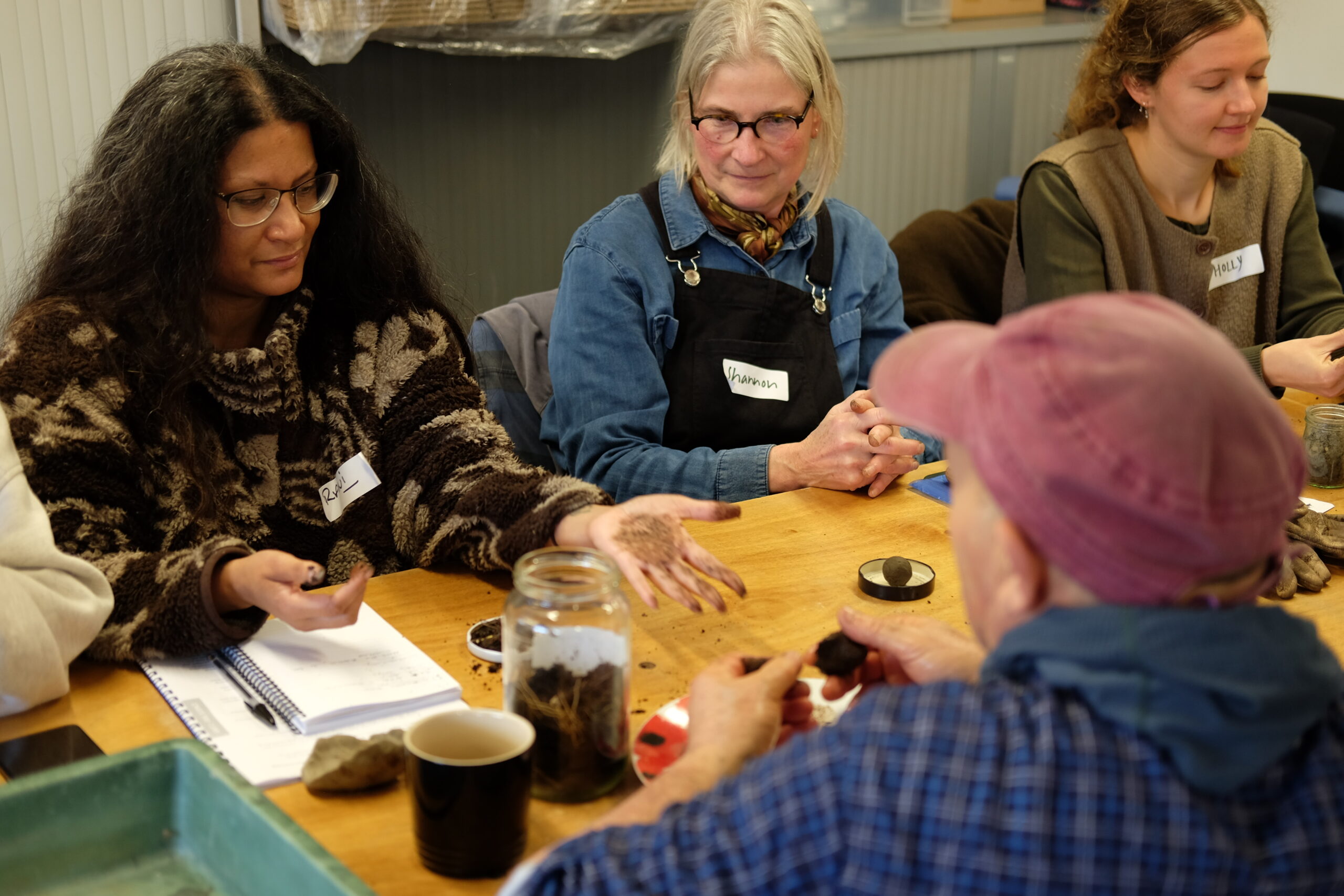
Demand for the course exceeded all expectations, with more than three times as many applicants as there were available places. There are now also over 50 people who have joined the waiting list since January, with interest only continuing to grow.
Designed for new entrant farmers, trainees, apprentices and growers, the inaugural course ran from mid-February to the end of June. Accredited by Ofqual and the Crossfields Institute, it also provided the Permaculture Association’s Certificate in Introduction to Permaculture. Originally developed by The Apricot Centre in Devon, the course was delivered in Bristol for the first time, creating a new local training opportunity in regenerative and agroecological farming.
‘It takes a lot to set up an accredited course,’ says Steph Wetherell, Coordinator at Bristol Food Producers. She explains that meeting the long list of accreditation requirements took careful planning and countless hours of research.
The idea for the course began when community farmer and educator Ian Sumpter approached Wetherell with the initial concept. What followed was an in-depth process of exploring existing training options, seeing what exactly would be needed, and imagining what a high-quality regenerative farming qualification could offer Bristol’s growing regenerative farming community.
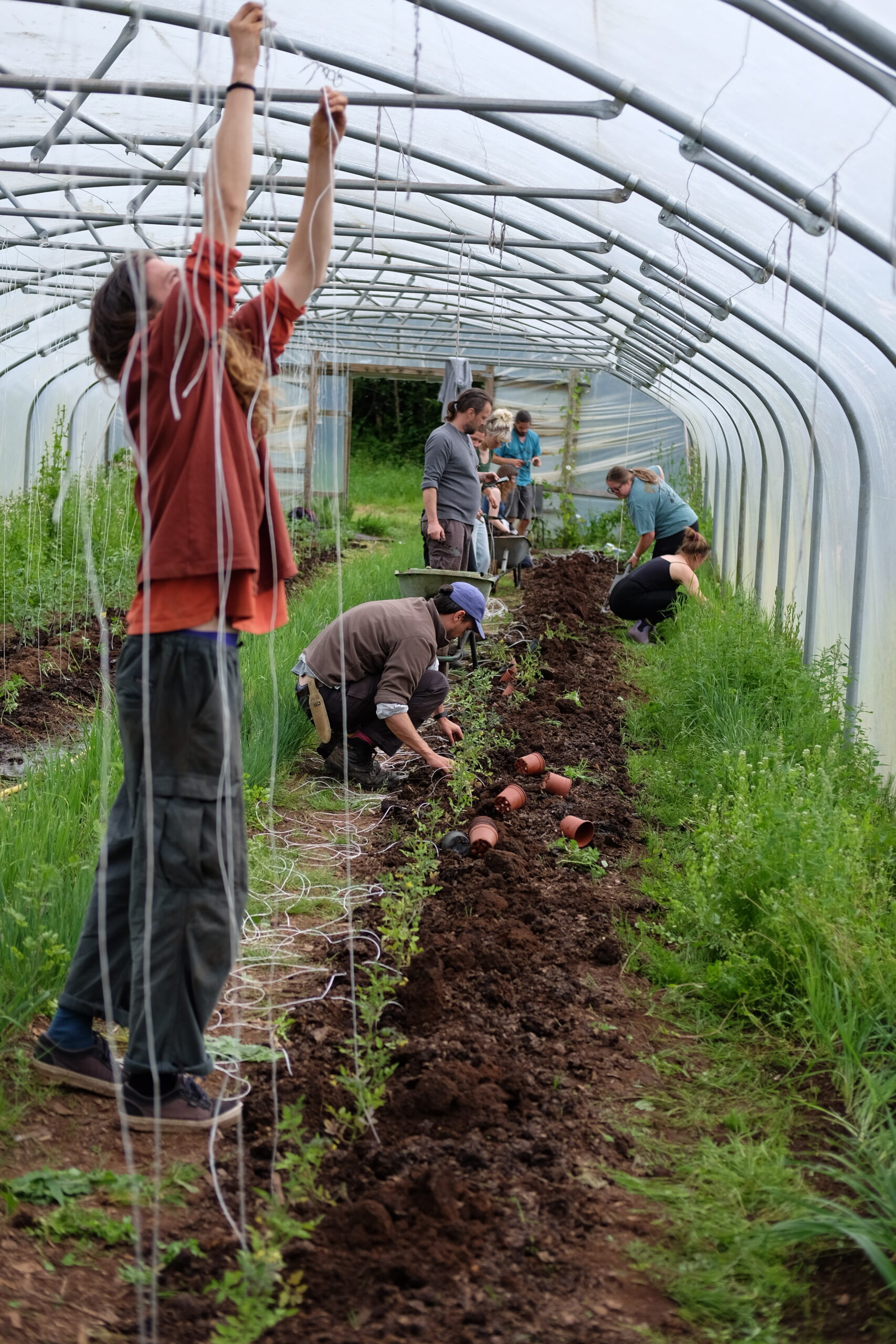
After two years of hard work, they settled on the Apricot Centre’s Level 2 course, which blended classroom learning with practical, hands-on experience, covering subjects including soil and plant ecology, regenerative growing systems, agroforestry, practical horticulture, business diversification and much more. The qualification is designed to help learners pursue careers in regenerative farming, gain a deeper understanding of circular food systems, establish land-based enterprises, or diversify existing businesses in line with Environmental Land Management Schemes (ELMS).
‘Ian did so much’, says Wetherell.
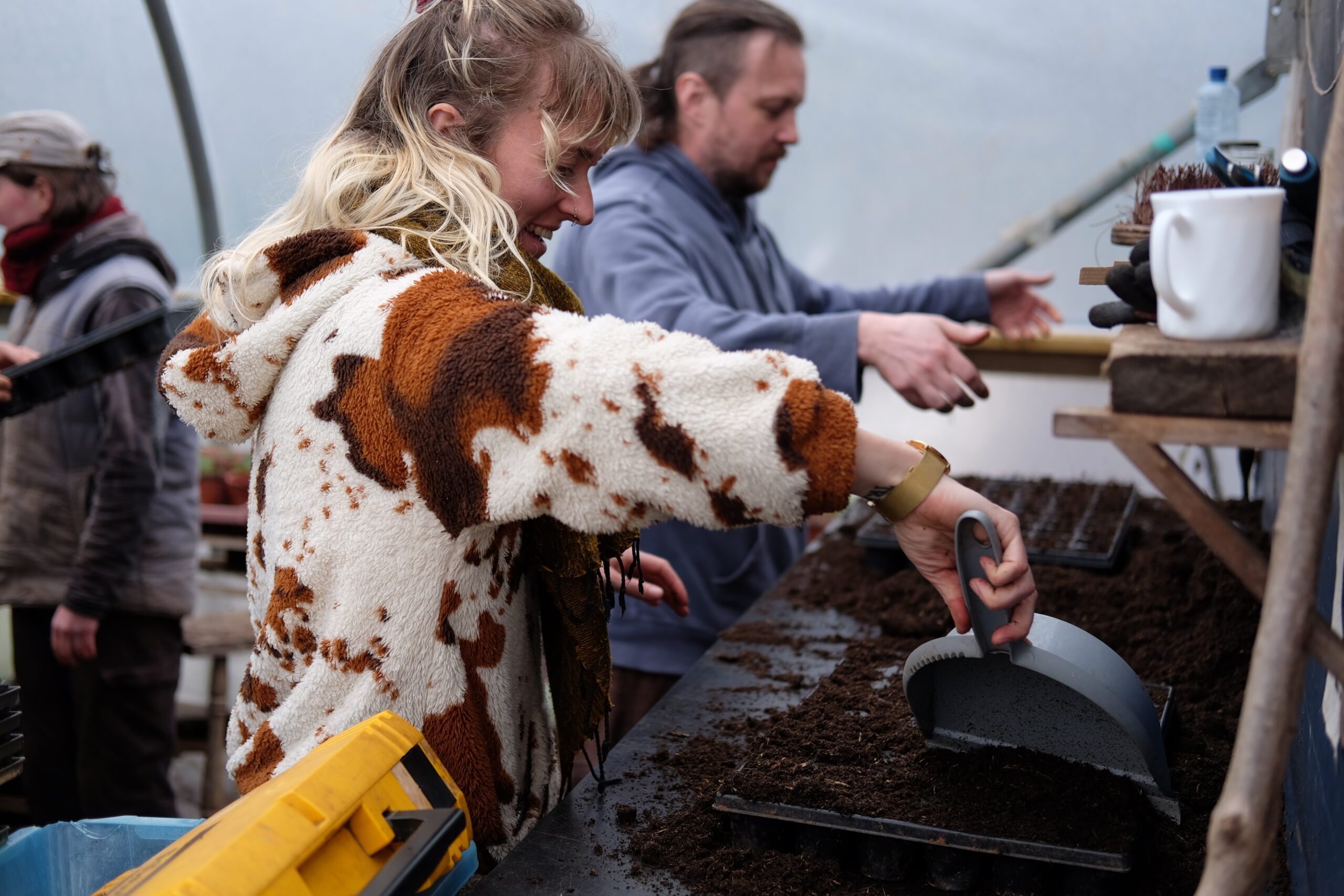
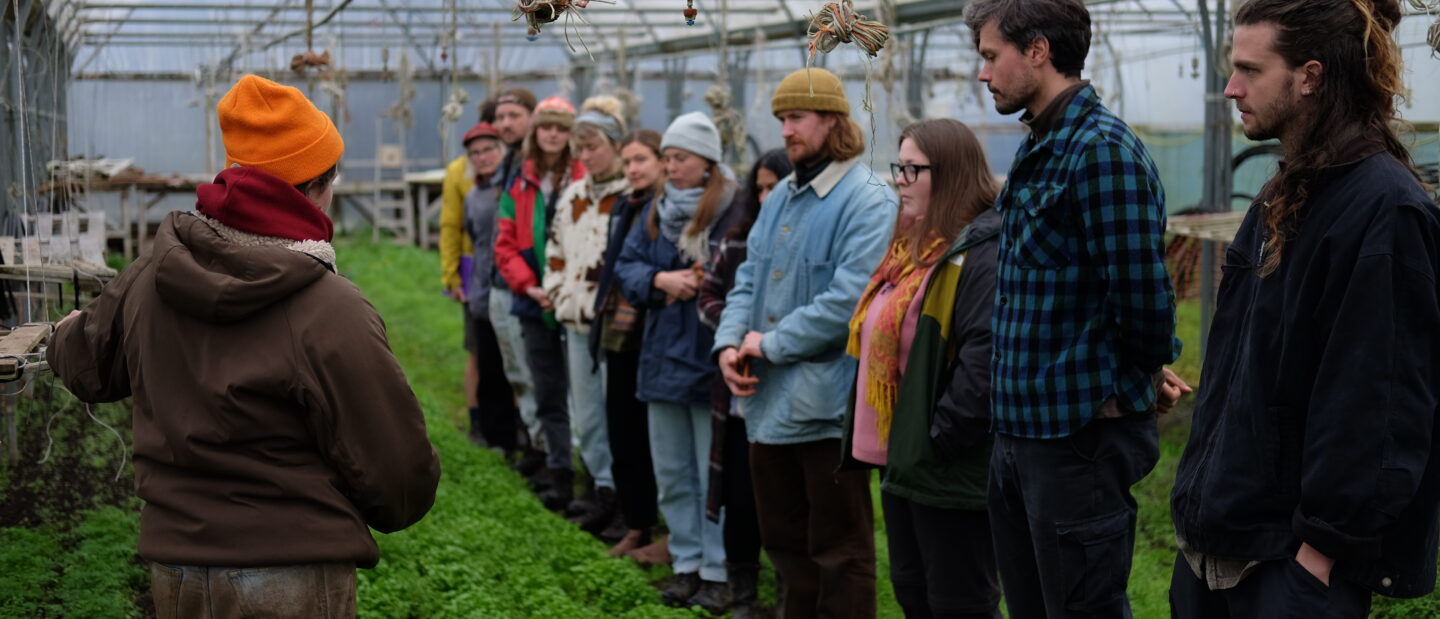
Sumpter served as the lead educator throughout the 12-week course, which took place once a week at Grow Wilder and Sims Hill Shared Harvest. Using both an urban nature reserve and a commercial growing site offered the best of both worlds, enabling participants to experience two very distinct yet complementary approaches that enriched their understanding of what sustainable land management can look like. They also welcomed external tutors as needed, who added real value to the lessons by sharing their expertise.
While some participants progressed from the Level 1 Horticulture offered by Heart of BS13, many others joined with little or no previous experience. Wetherell says one of the course’s greatest strengths is its accessibility, supporting learners with a wide range of backgrounds and skill levels. The course also ran on the Green Bottle Method, offering three payment tiers ranging from £50-150, based entirely on participants’ personal financial resources and access to wealth.
Participant feedback has been overwhelmingly positive, with many describing an immediate impact on their work. One learner said, ‘I’m already applying the knowledge to my work, creating resources for young people and land management planning’. Another shared, ‘It has helped me improve as a grower and will help me to get grower jobs in the future’.
Although Bristol Food Producers hopes to run the course again next year, its future entirely depends on securing additional funding. Looking ahead, Wetherell says the organisation’s north star is to develop a Level 3 qualification, giving learners the opportunity to continue their studies and further develop their expertise in regenerative land-based systems.
If you would like to receive updates about future intakes, join the Bristol Food Producer’s mailing list here.
So, what change do you want to see happen that will transform food in Bristol by 2030? Do you already have an idea for how Bristol can make this happen? Join the conversation now.
* Required field
Urban Growing
Urban Growing
Urban Growing
Urban Growing