Local Food Economy
Soil to slice: How the Southwest Grain Network is reimagining our grain economy
By Matilda Rose
Local Food Economy
By Matilda Rose
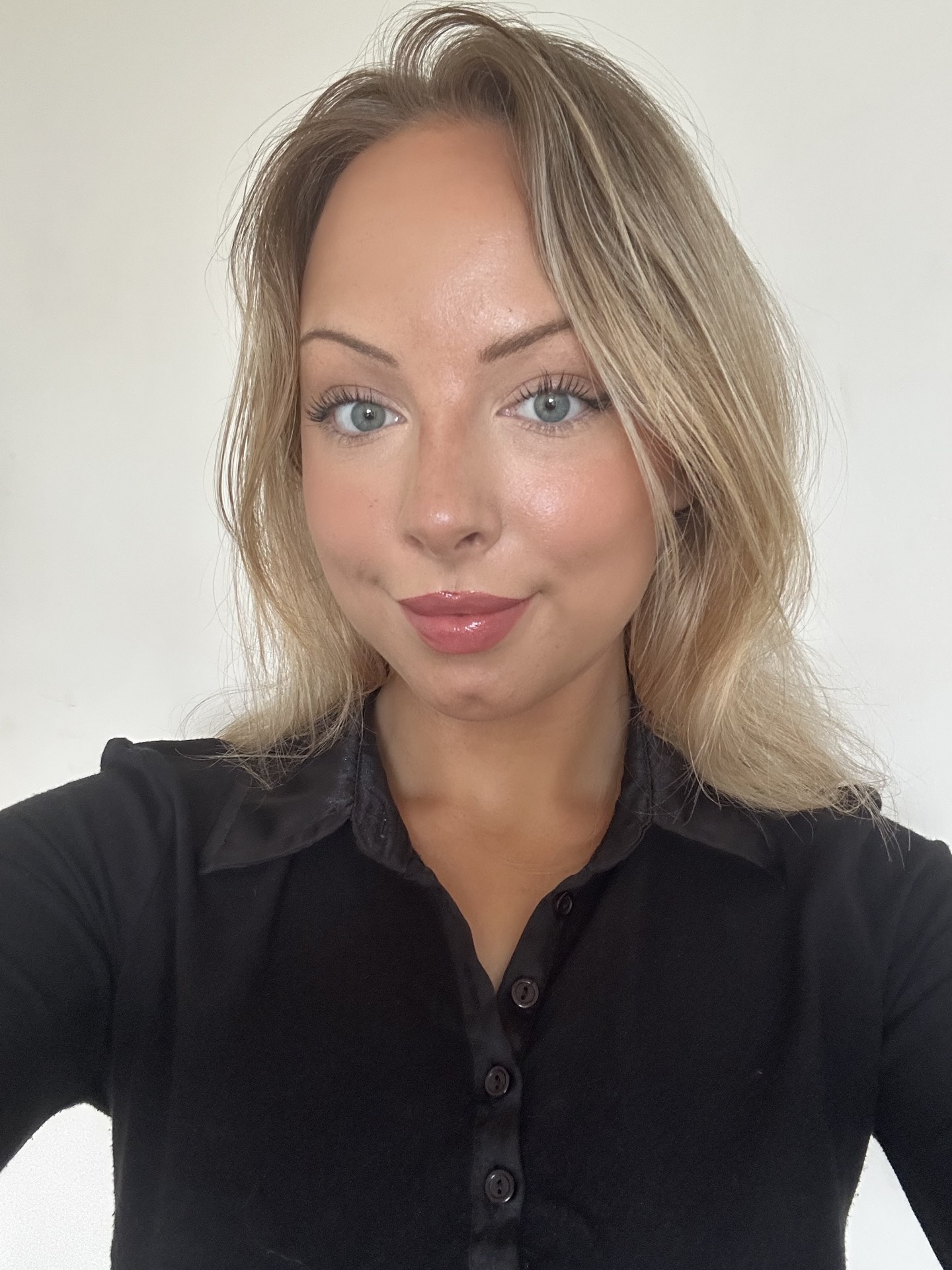
The Southwest Grain Network (SWGN) is transforming our local grain economy by reconnecting farmers, millers, bakers, and communities through climate-resilient crops, transparent supply chains, and collective action. This work offers a powerful alternative to the industrial food system – rooted in care for the land, people, and nourishment.
Get involved by asking where your flour comes from, choosing UK-grown grains and supporting the SWGN. Matilda Rose (pictured left) reports.

The Southwest of England is a region known for its vibrant produce and agricultural landscapes. It is also a place of origin for many grassroots movements, operating to save our local grain economy. But when was the last time you thought about where your bread came from? The Southwest Grain Network (SWGN) is a prominent movement in this space, shedding light on the answers. They’re a collective, aiming to re-envision how local food is grown and shared.
I spoke with Robyn, a key coordinator of this movement, who gave wonderful insights into the SWGN and their mission. They aim to improve our local grain supply chains, regenerative agriculture, and a sense of community. Formed in 2019 as a loose group after attending a UK Grain Lab event, local farmers, millers, and academics sought change together. Now, in 2025, they have blossomed into a successful network that plays an integral part in our grain economy within the Southwest.

The network began at Gothelney Farm, hosted by farmer Fred Price, as a small alternative grain movement. They all shared a vision: to reconceptualise the industrial grain system. Robyn highlights that the movement sees the ‘giant all-pervasive industrial commodity system’ as damaging. As we become distanced from the origins of our food, we are distanced from ‘what it means to be human, to grow food, to share it and to nourish ourselves’.
At the centre of this community is the need to bring life back into our food systems. Robyn explains that the capitalistic treatment of produce is harmful to our landscape, farmers and importantly our bodies. The SWGN want to build short, transparent supply chains that are connecting farmers, millers to bakers directly.
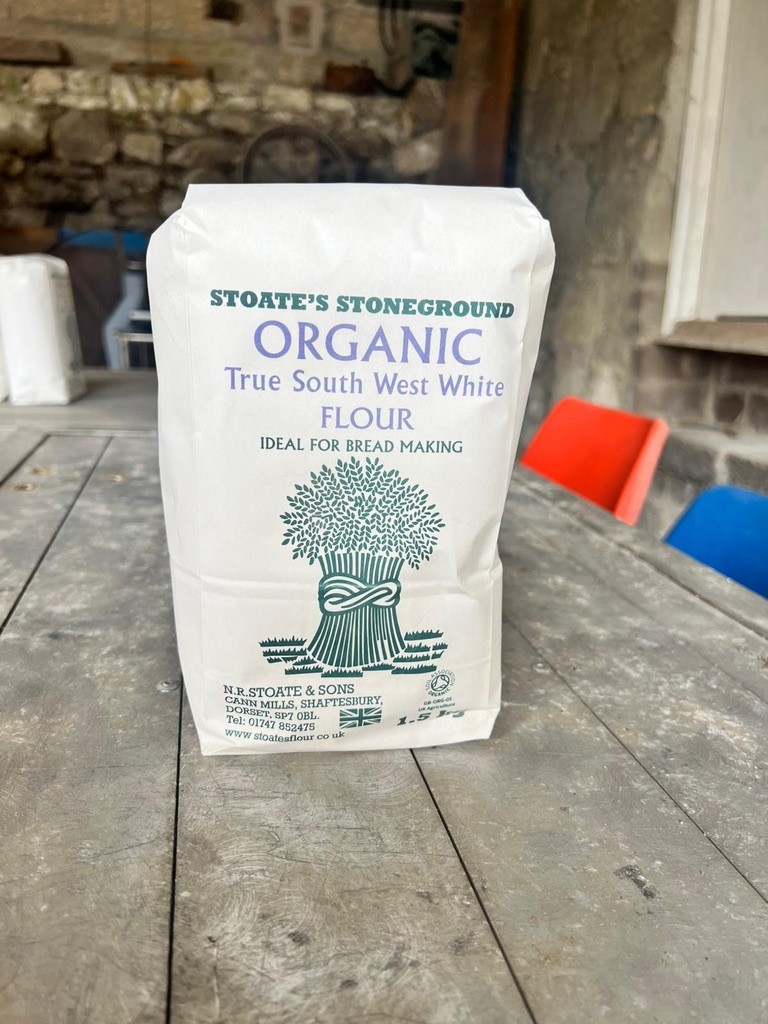
They have taken their efforts overseas and have been working with Anders Borgon, who heads the ‘Landsorten Project’ in Denmark. On behalf of SWGN, Fred has been the lead contact with Anders to grow a wheat population called Mariagertoba. They have also been working with YQ Wheat, developed by Professor Martin Wolfe at Wakelyns Farm in Suffolk. Both grains are polycultures and can adapt to their local conditions. Robyn comments that ‘This is incredible in terms of climate resilience as each year you grow the wheat, different varieties will be stronger within that mix of population’. In our discussion, Robyn likens bread to a vessel for the message of climate resilience. With locally made flour, each loaf tells the story of the farmers and the land.
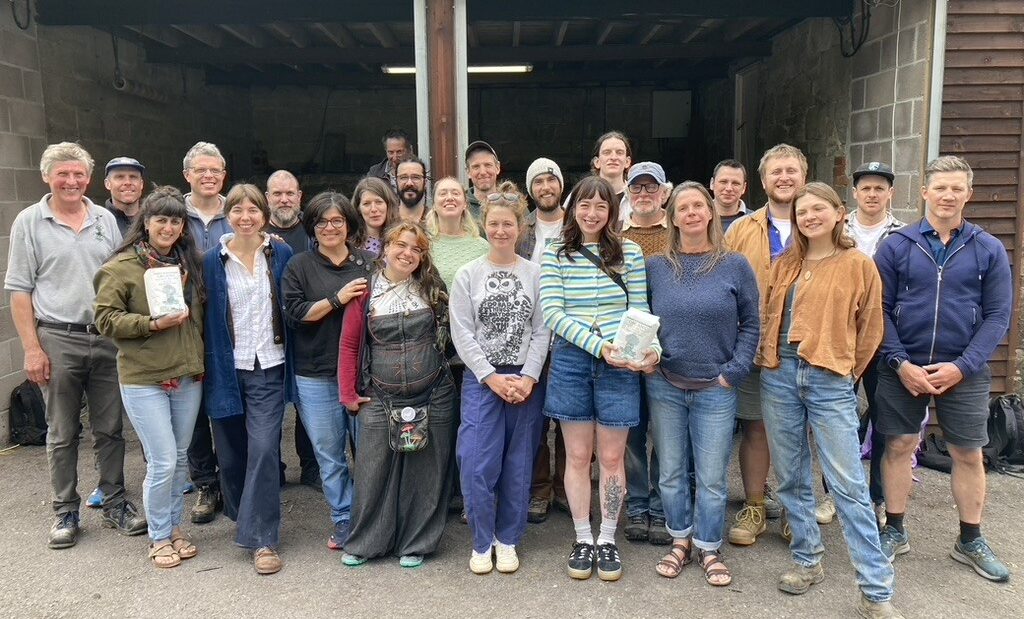
Robyn stresses the importance of the SWGN’s values and how their conversations happen through a horizontal dialogue. ‘Everyone’s voice is equal, whether you’ve been here four years or walked in yesterday,’ says Robyn. That philosophy of collective responsibility runs through everything that they do. Because of this, Bristol-based bakeries like Farro Bakery and Hart’s Bakery work with them to support the local grain production.
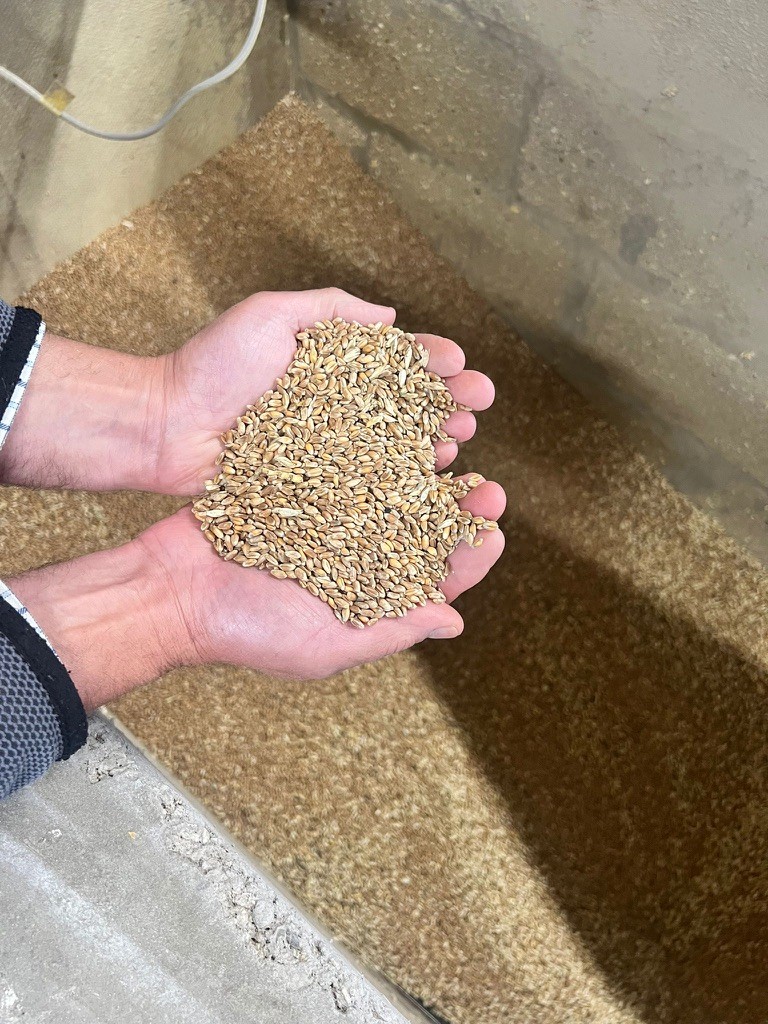
They have also been in touch with Langfold at the University of Bristol, looking at the opportunity for them to ‘transition from conventional agriculture to organic and work directly with bakers in Bristol to build a network’. Robyn describes the impact that they are having as a ‘rare and beautiful opportunity’. But why does creating a network around grain matter? Because it reunites us to our land, farmers and importantly to each other.
Robyn advocates for people to ask their bakery where their flour comes from, to prioritise UK-grown flour. Another way is to read ingredient labels of bread to look for simple ingredients from local farms. And when you can, support organisations that are doing things differently.
Consider donating to the Southwest Grain Network and keep up to date with their events via their Instagram and the website at www.southwestgrainnetwork.co.uk. Their movement is for all, for growers, bakers, farmers, or just people who enjoy bread.
About the Landsorten Project: Landsorten Project in Denmark
About Mariagertoba: landsorten.dk/varieties/Mariagertoba
Photo credits to Rupert Swan & Robyn Minogue
So, what change do you want to see happen that will transform food in Bristol by 2030? Do you already have an idea for how Bristol can make this happen? Join the conversation now.
* Required field
Good Food Governance
Good Food Governance
Good Food Governance

Good Food Governance