Local Food Economy
Bristol chefs back campaign to cut VAT for hospitality
By Ramona Andrews
Local Food Economy
By Ramona Andrews

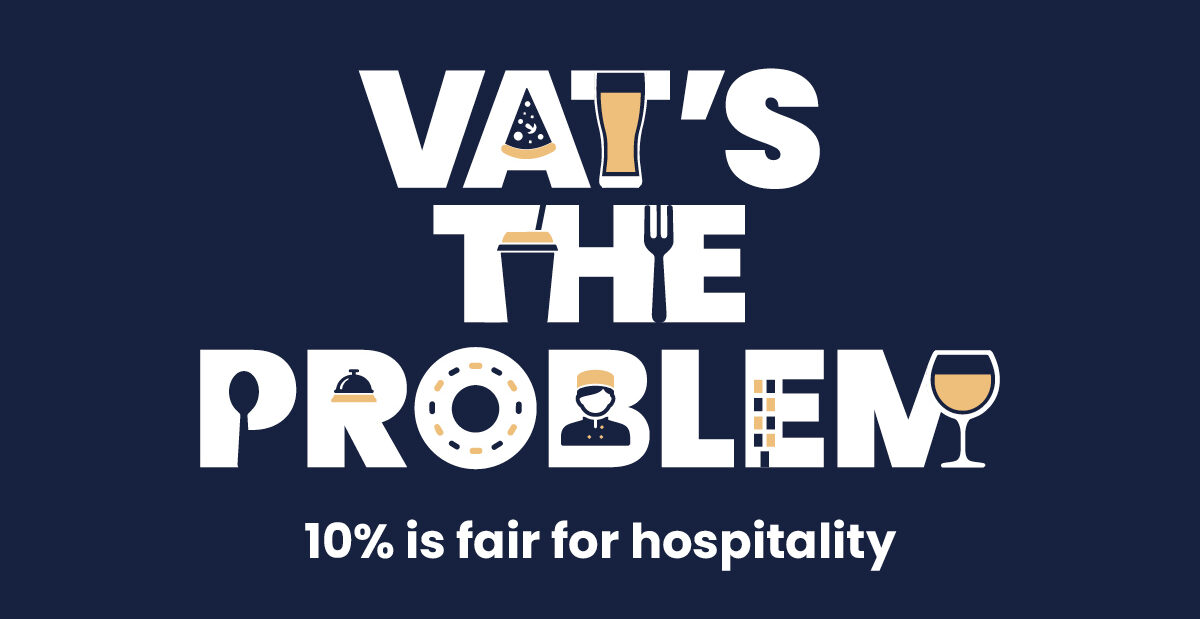
Chefs and restaurant owners from across Bristol are backing a national campaign calling on the Government to reduce VAT for hospitality businesses from 20% to 10%.
The #VATsTheProblem campaign, led by Gloucestershire-born chef and publican Tom Kerridge, argues that the UK’s hospitality sector is facing unsustainable pressure from rising costs, while paying one of the highest rates of hospitality VAT in Europe. The campaign’s petition has already attracted more than 225,000 signatures and support from businesses across the country.
For many Bristol food businesses, the issue goes beyond profit margins. They see hospitality as an important part of local culture, community life and the city’s food economy. Accommodation and Food Service remains one of Bristol’s largest employment sectors, accounting for 7.1% of employee jobs in 2024 – a higher share than Finance and Insurance or Construction, and now broadly on a par with Information and Communication.
VAT, or Value Added Tax, is charged on meals, drinks, hotel stays and many other hospitality services. At 20%, the UK’s hospitality VAT rate is among the highest in Europe. By comparison, hospitality businesses in countries including France, Italy and Spain benefit from lower rates of around 10%, while Germany applies a rate as low as 7% in some cases.
Campaigners argue that reducing VAT would provide immediate relief to restaurants, pubs, cafés and hotels facing rising costs from inflation, business rates, energy bills and National Insurance contributions.
The campaign says a lower VAT rate could help businesses remain viable, protect jobs, keep prices more affordable for customers and support more vibrant local high streets.

Among those backing the campaign is Imogen Waite, co-founder of the Season + Taste restaurant group, which includes Bravas, Gambas, Cargo Cantina and Condesa.
For Imogen, the debate is about more than taxation.
“Our industry is facing massive challenges, but I think this also speaks to something bigger about what we value as a country,” she says.
Imogen believes hospitality businesses play an important role in creating culture, connection and local identity, helping people come together around good food and shared experiences.
“These small businesses are the fabric of our towns and cities,” she says. “They should be encouraged and supported.”
She argues that many independent food businesses create value beyond their balance sheets by employing local people, reinvesting in the local economy including supporting local, sustainable food production, and providing welcoming community spaces.
“I think government has an important role they have completely neglected: to protect, celebrate and grow our cultural and national identity. Levelling up the taxes paid by hospitality businesses would be a great starting point.”
Tess Lidstone, co-owner of Bristol restaurant Box-E and a member of the Bristol Good Food 2030 Partnership, says hospitality businesses have been hit by multiple cost increases in recent years.
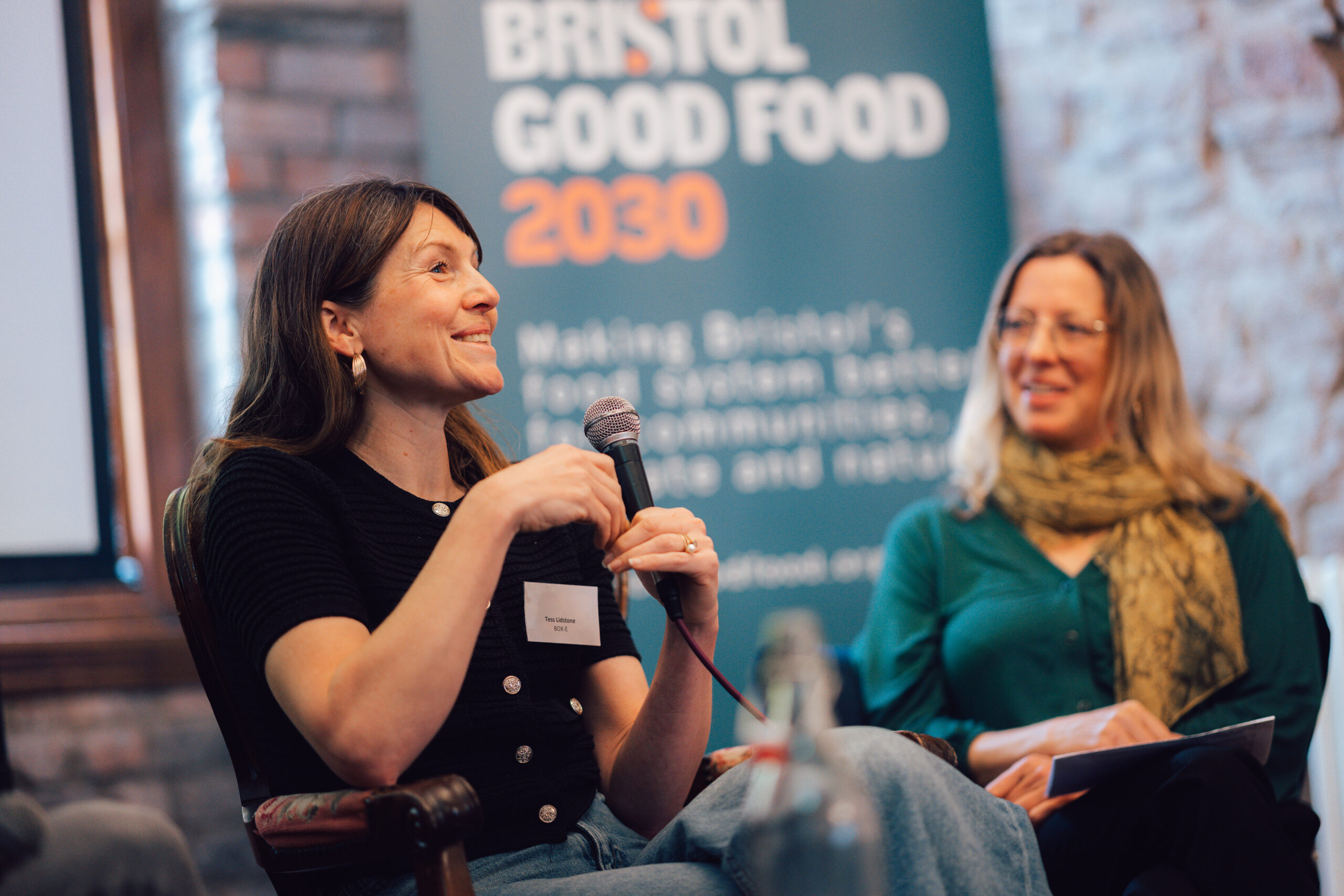
“Hospitality has been hit by blow after blow: rising NI [National Insurance] contributions, increased business rates, inflated produce costs, and more.”
Like many independent operators, she says restaurants often absorb these additional costs rather than passing them directly to customers.
“By cutting VAT in half it would give an instant lifeline to our sector and help many businesses stay open.”
Tess points out that many food ingredients purchased by restaurants are zero-rated for VAT, meaning businesses cannot reclaim VAT in the same way as some other sectors, while still paying 20% VAT on what they sell.
“We aren’t asking for a hand-out; just for a fairer deal and a rate more in line with other countries across Europe.”
For Tess, the stakes are about more than economics.
“Hospitality is such a huge employer and such a huge bringer of joy. Do we really want to lose that?”
Bristol Good Food 2030 recognises the important role that independent food businesses play within Bristol’s wider food system. Restaurants, cafés, pubs and food businesses create jobs, support local supply chains, provide spaces for social connection and contribute to the city’s distinctive food culture.
As the #VATsTheProblem campaign gathers support, many hospitality businesses are calling for policy changes that they believe would help ensure the sector can continue to thrive and contribute to healthy, sustainable and vibrant communities.
Find out more about the campaign and sign the petition at www.vatstheproblem.co.uk.
To stay updated on future events, job opportunities and news, don’t forget to sign up for the Bristol Good Food Update at bristolgoodfood.org/newsletter.
So, what change do you want to see happen that will transform food in Bristol by 2030? Do you already have an idea for how Bristol can make this happen? Join the conversation now.
* Required field
Local Food Economy

Local Food Economy
Local Food Economy
Local Food Economy