Good Food Governance
Learning from Covid-19 to build a more resilient food system
By Alice Peperell
Good Food Governance
By Alice Peperell

The Food Disaster Risk Planning Project 2023-2026 has published its findings report and policy brief, which were launched at a webinar today, on Tuesday 15 September. It is the first study of Bristol’s food response to the pandemic and the only published city-level account aimed at improving community-centred, place-based disaster risk planning. Project Manager Alice Peperell looks at where the project came from, what was found and why it matters.
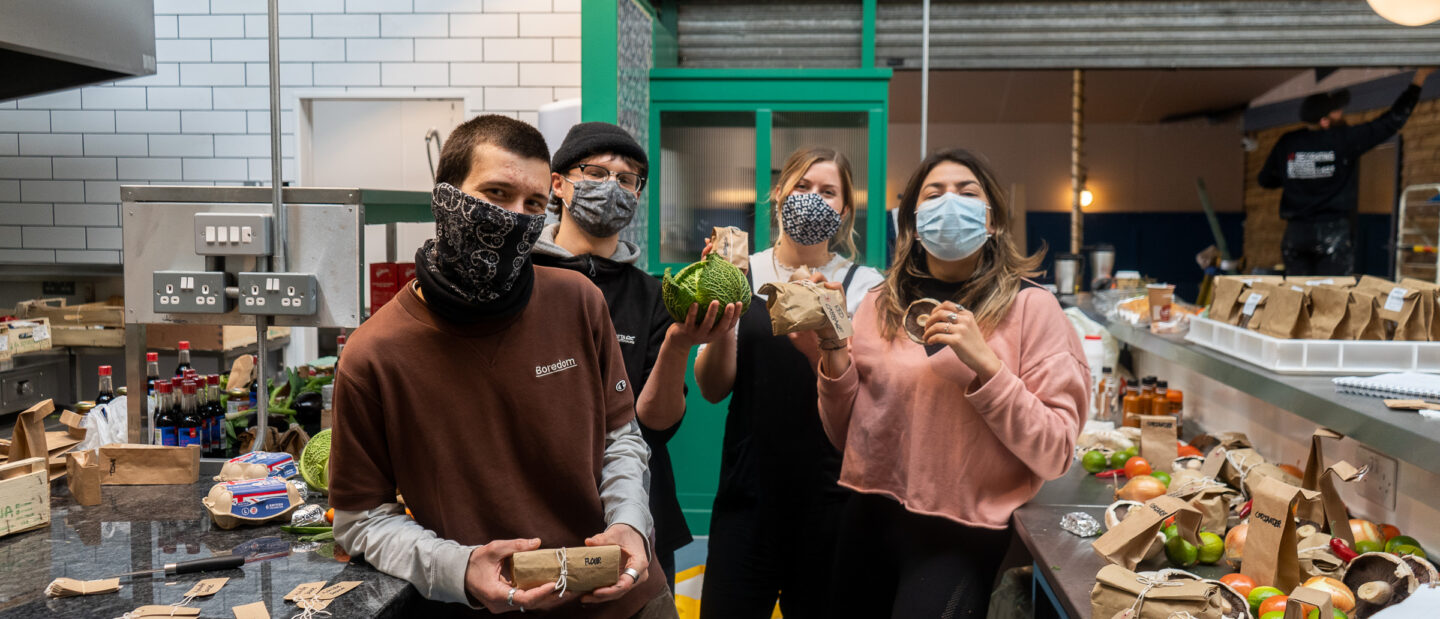
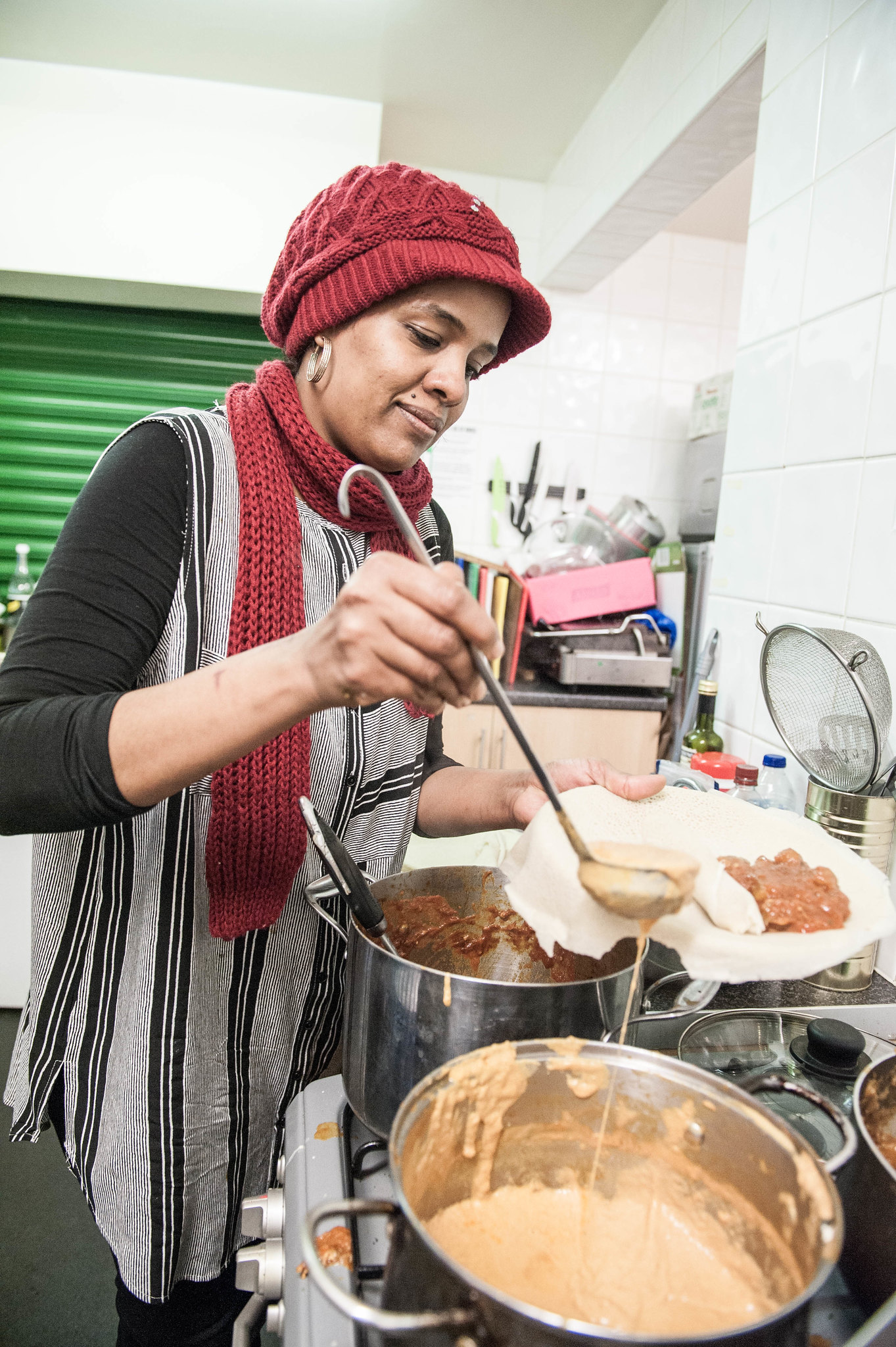
It’s easy to forget that Covid-19 was a food crisis as well as a health one. Panic buying emptied shelves, people who were shielding couldn’t get to the shops and lost incomes and school closures pushed many more households into food insecurity. Local organisations and suppliers stepped into the gap.
Through workshops, interview notes and conversations with the research team, I’ve heard a great deal about the people who built Bristol’s emergency food response almost overnight in 2020. Everything moved fast and many people stepped up without being asked twice: community food organisations, local community groups, Bristol City Council, and local businesses, all figuring things out as they went.
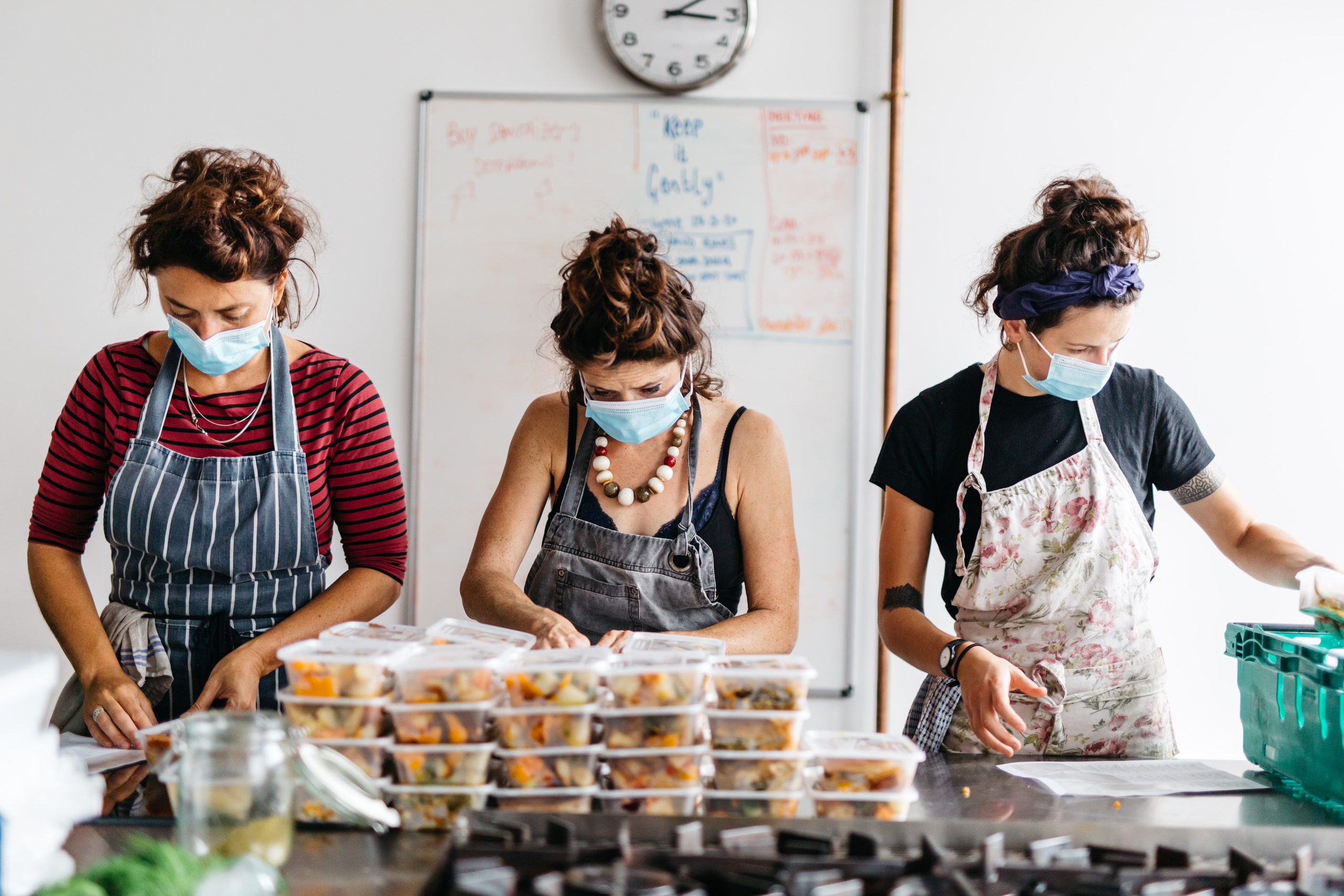
That experience holds hard-won knowledge that shouldn’t be lost. The next food crisis may be triggered by extreme weather, conflict, supply chain disruption or another pandemic, but the pattern is likely to be familiar: supply falters, the most vulnerable are hit first and local organisations fill the gaps. The project set out to gather those lessons from the people at the heart of the response and to use them to inform how a city-level disaster risk plan for food security might be developed, and what it should include.
The project has its roots in the co-creation of Bristol’s Good Food 2030 Framework for Action, which began in late 2021. That process exposed two gaps in the city’s food governance: a lack of good food systems data and a lack of preparedness for food-related disasters. Both are areas of the Milan Urban Food Policy Pact, which Bristol has signed, calling on cities to address.
One of the people who pushed hardest for disaster preparedness to be taken seriously was Louis Delmege, then Bristol Good Food (BGF) 2030 Partnership Coordinator at Bristol Food Network (the coordinating organisation of BGF2030). Louis had been closely involved in the Covid-19 emergency response, including helping to set up the National Food Service, and was convinced that Bristol needed to capture what had been learned before it was lost.
“The need for a project like this became clear to me through the emergency food work I did during the lockdowns. This feels like a really important step towards making Bristol’s citizens safer in the next crisis. I hope it’s the first of many similar projects and that Bristol can once again be an anchor and inspiration for national work, as we were during the pandemic.”
Louis Delmege
It’s fair to say that without Louis’s insight and persistence, this project might never have happened.
The project was delivered by a cross-disciplinary team from Bristol Food Network, Feeding Bristol, the University of the West of England and the University of Bristol, combining expertise in food systems, food inequality, disaster risk reduction and community engagement, alongside deep knowledge of Bristol’s charity and food sector.
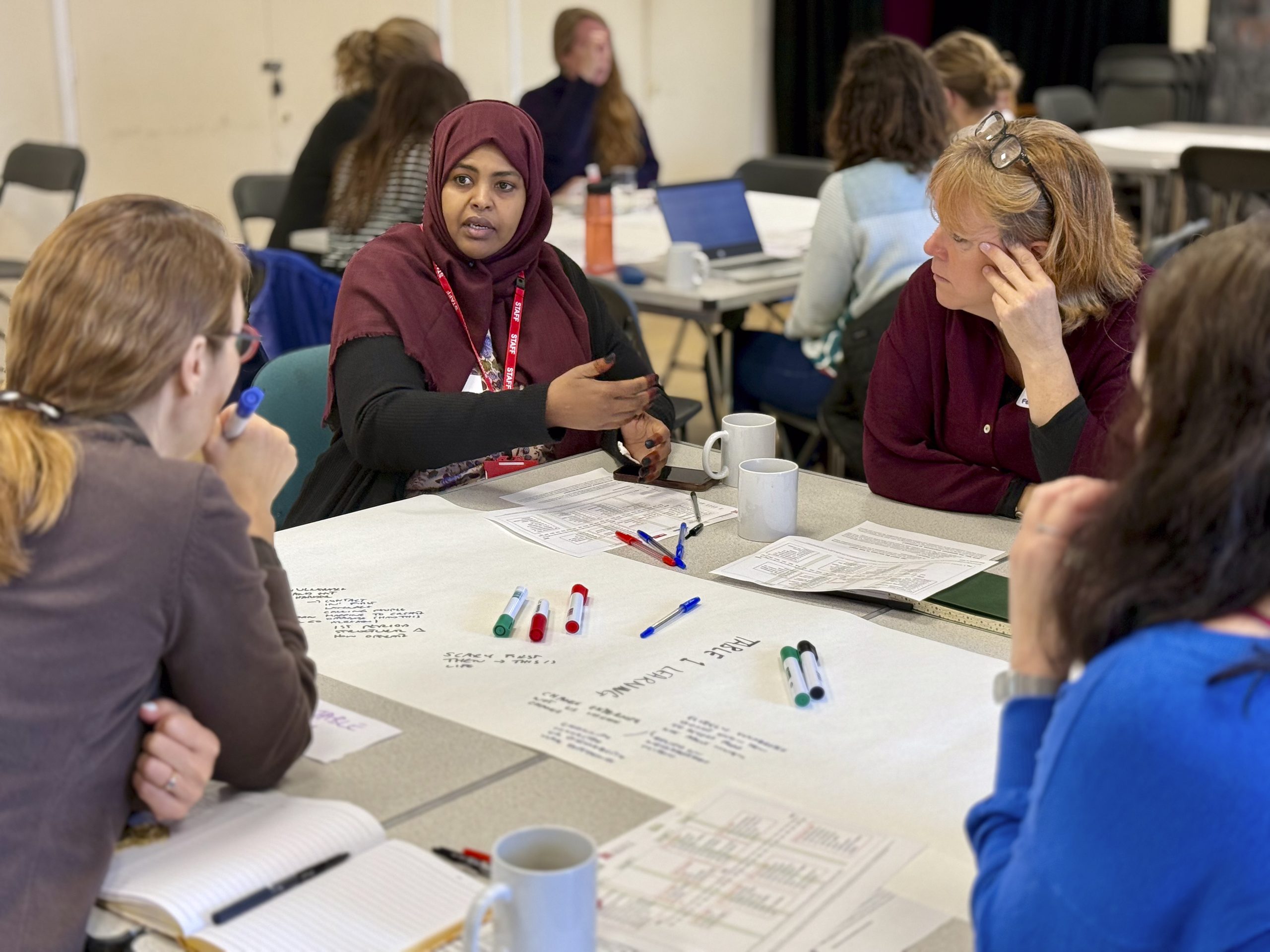
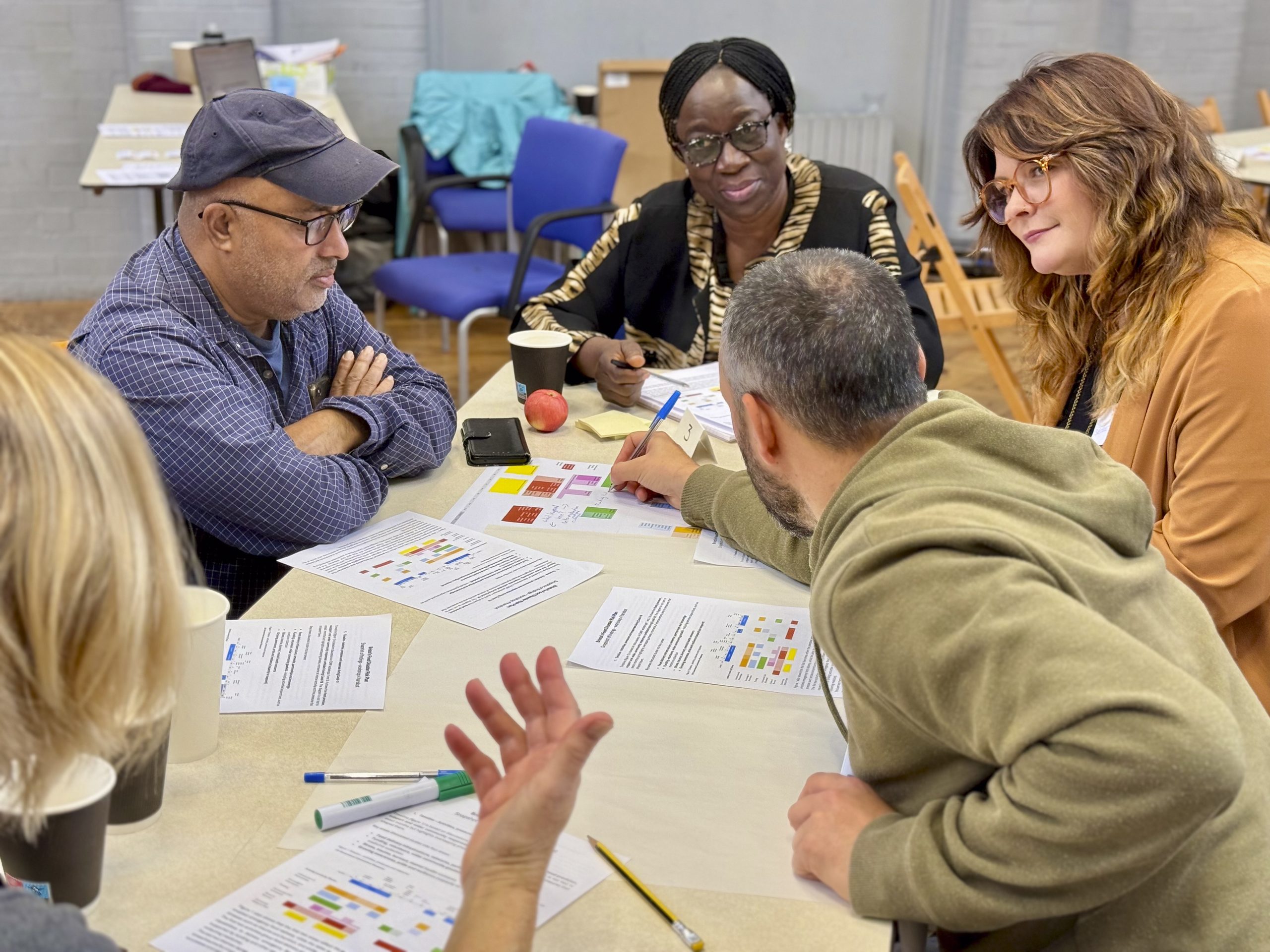
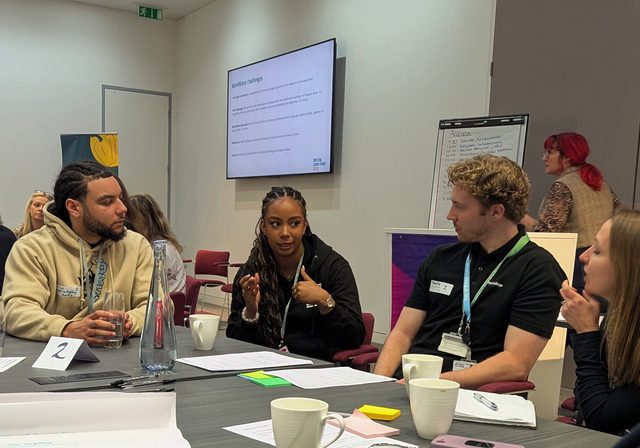
Between 2023 and 2025, the team ran 22 in-depth interviews and four participatory workshops exploring Bristol’s emergency food response between February 2020 and March 2021. We heard from the people who delivered, funded and shaped it: community food organisations, local community and grassroots groups, local businesses, Bristol City Council teams and councillors, funding bodies, policymakers and other experts and decision-makers. Together, they helped us understand what worked, what didn’t and what should be different next time.
Four themes came through:
Above all, community organisations were the backbone of Bristol’s response, using trusted relationships and local knowledge to reach people at risk of food insecurity. Future plans must build on that capacity and sustaining it depends on everyday investment, not one-off emergency funding. Though the research focused on Bristol, the findings apply to local-level preparedness everywhere.
We’re publishing this at a moment when the case for taking food disaster planning seriously feels more urgent than ever. Pressures on our food system are mounting, from extreme weather to conflicts disrupting global trade, production and prices. Yet food has historically featured only minimally in UK resilience planning, including the National Risk Register, until Professor Tim Lang’s 2025 report for the National Preparedness Commission, ‘Just in Case: 7 steps to narrow the UK civil food resilience gap‘, put food security centre stage.
Since then, that message has grown louder. At the National Emergency Briefing in November 2025, Professor Paul Behrens told an audience of more than 1,000 decision-makers that food system failure is a direct national security risk. In May 2026, the Climate Change Committee’s fourth UK climate risk assessment treated food security as a major national risk in its own right.
The lesson from Covid-19 is that local communities are often the first to respond but not always the first to be consulted or adequately resourced. With Defra and local authorities now developing emergency plans, this is a critical moment to act on those lessons.
Our four recommendations are for national government, local authorities, emergency services and infrastructure organisations:
Read the full report and policy brief here.
This was a collaborative, co-produced project that stayed close to its roots: communities telling their own story. The result is a clear set of recommendations for a more resilient food system for Bristol and beyond, now ready to be put into action.
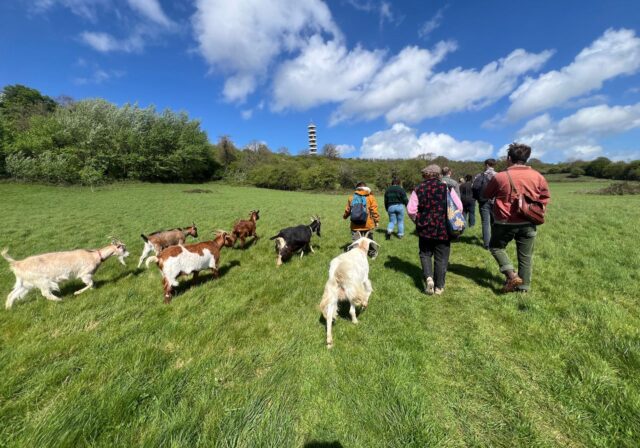
Lead image credit: Melanie Vaxevanakis
To stay updated on future events, job opportunities and news, don’t forget to sign up for the Bristol Good Food Update at bristolgoodfood.org/newsletter.
So, what change do you want to see happen that will transform food in Bristol by 2030? Do you already have an idea for how Bristol can make this happen? Join the conversation now.
* Required field
Good Food Governance
Good Food Governance

Good Food Governance
Good Food Governance