Good Food Governance
Groundswell 2026: stories of regeneration, cooperation and possibility
By Ruth Hislop-Gill
Good Food Governance
By Ruth Hislop-Gill

Ruth Hislop-Gill, Bristol Food Network’s Projects and Impact Coordinator, reflects on attending Groundswell 2026 and some of the ideas that left her feeling inspired about the future of food and farming.
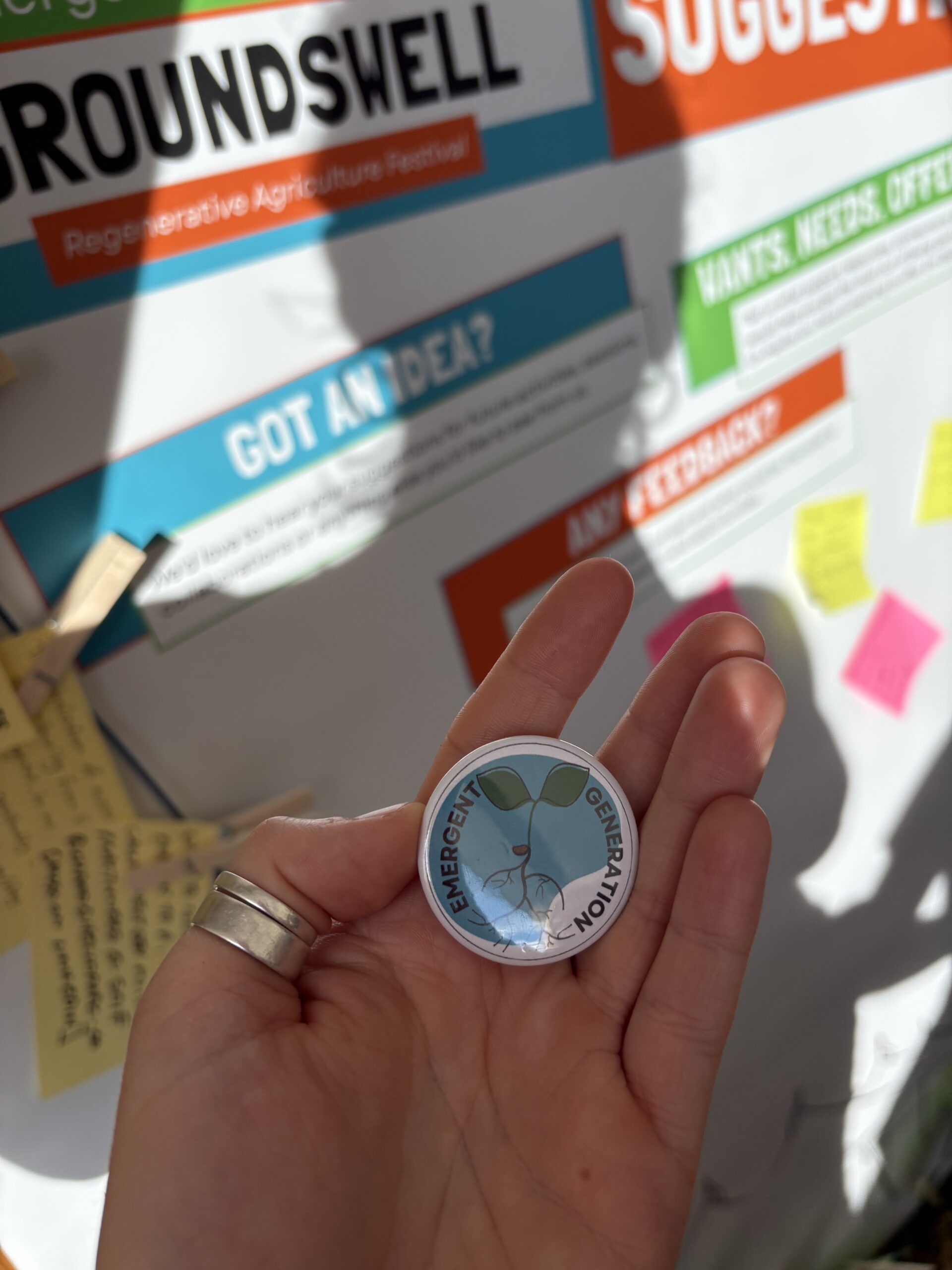
Earlier this month, I had the pleasure of attending Groundswell 2026 on behalf of Bristol Food Network, with support from Emergent Generation, a youth-led organisation bringing together people aged 18–35 from across the food system. Their work helps create connections, support attendance at events like Groundswell, and ensure younger voices have a place in conversations about the future of food and farming.
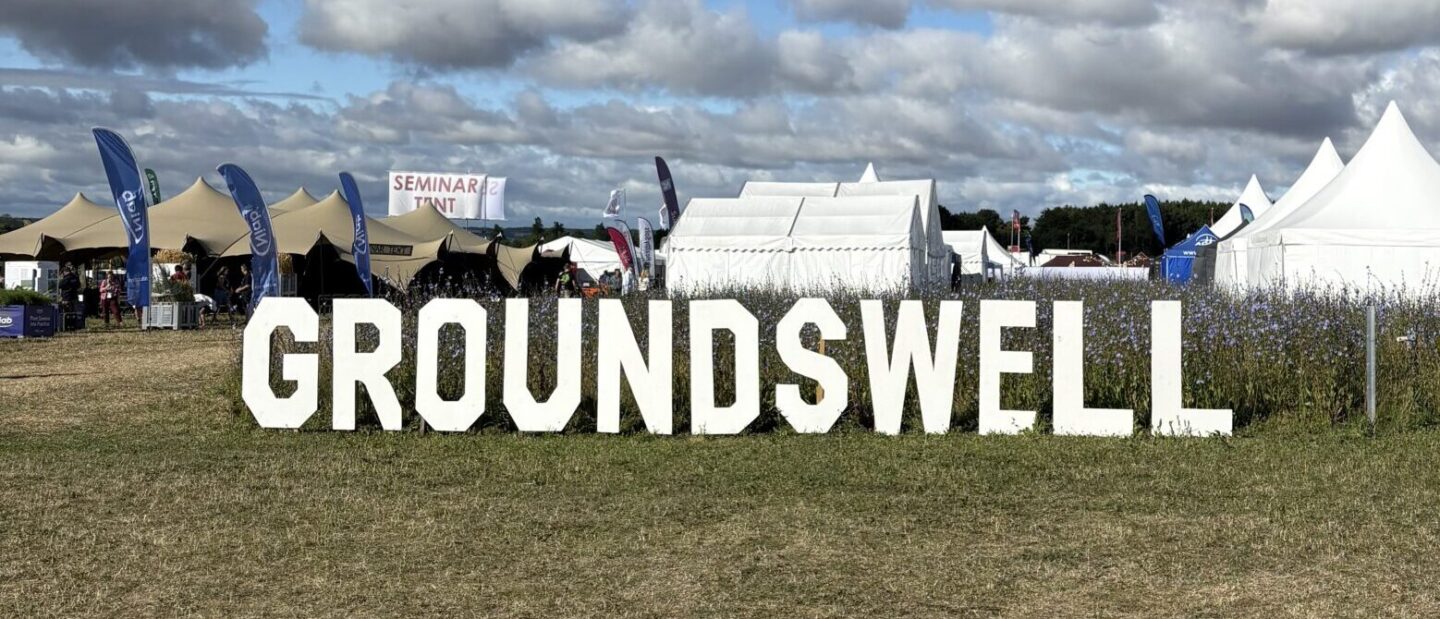
Groundswell is a regenerative agriculture festival. Across two days, farmers, growers, researchers, organisers and community leaders came together to share stories, challenge assumptions and explore what a fairer food system could look like.
While there were many interesting sessions, a few themes stayed with me after I left.
One of the most inspiring talks I attended was The Future of Farming is Collective, hosted by Jackie Thoms and featuring Stephan De Brabandere, Douwe Korting and Jyoti Fernandes.
Although the speakers came from different countries and backgrounds, they all pointed towards the same idea: meaningful change happens when people work together.
Stephan De Brabandere shared the story of Ma Ferme in Belgium, where a community came together to purchase a derelict farm and reimagine what it could become. Through a time-limited fundraising campaign, they secured around €2 million in investment in just 50 days and received dozens of applications from farmers and producers wanting to be involved.
Today, the site has become a thriving hub for food production, arts and community activity. What stood out to me was the sense of shared ownership. Producers, investors and community members all see the project as something that belongs to them.
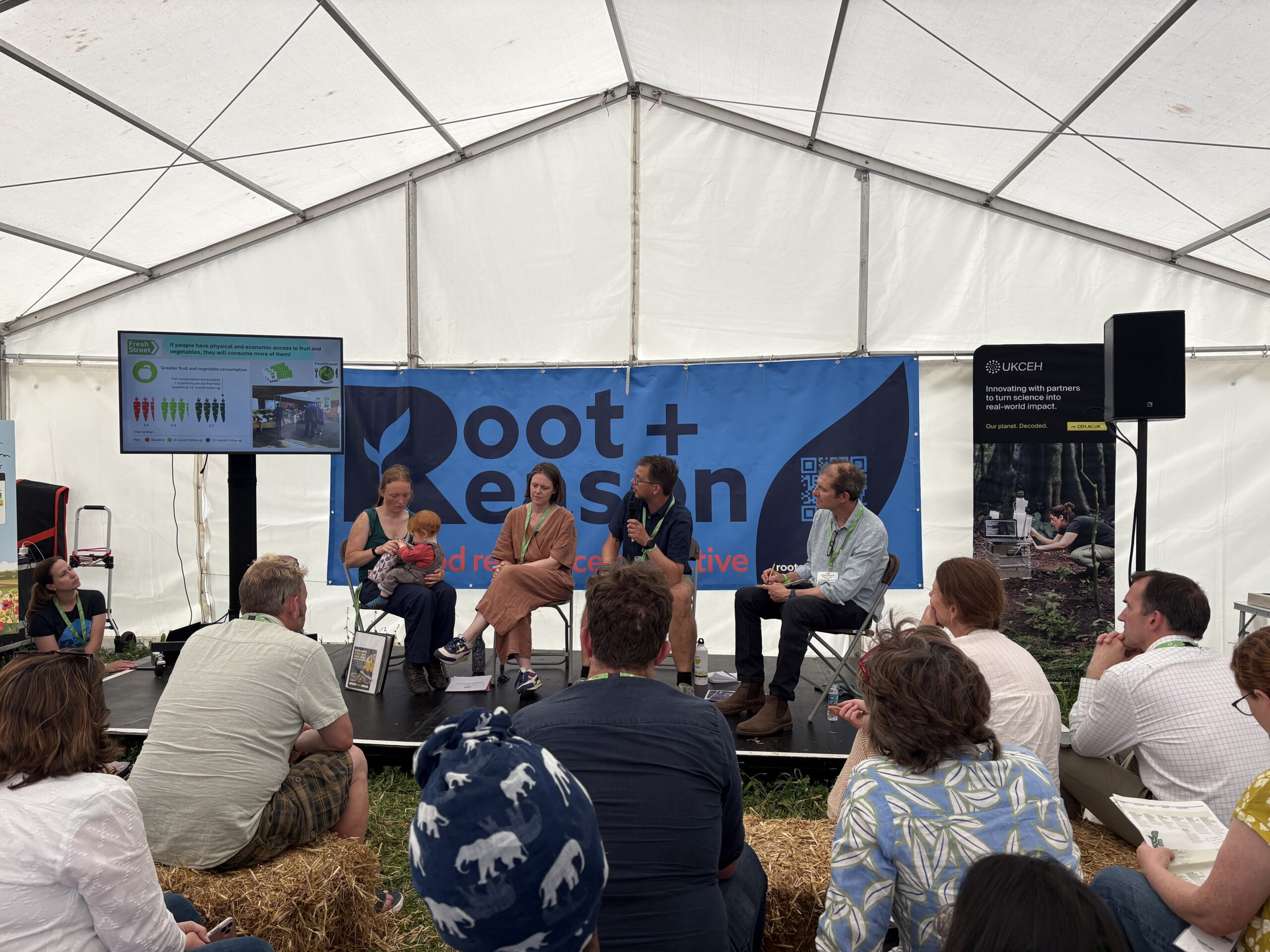
Jyoti Fernandes, from the Landworkers Alliance, spoke about cooperative approaches to farming and food production, drawing on examples from La Via Campesina and social movements around the world. She highlighted the importance of supporting small-scale farmers, strengthening local food security and developing supply chains that work for communities rather than simply extracting value from them.
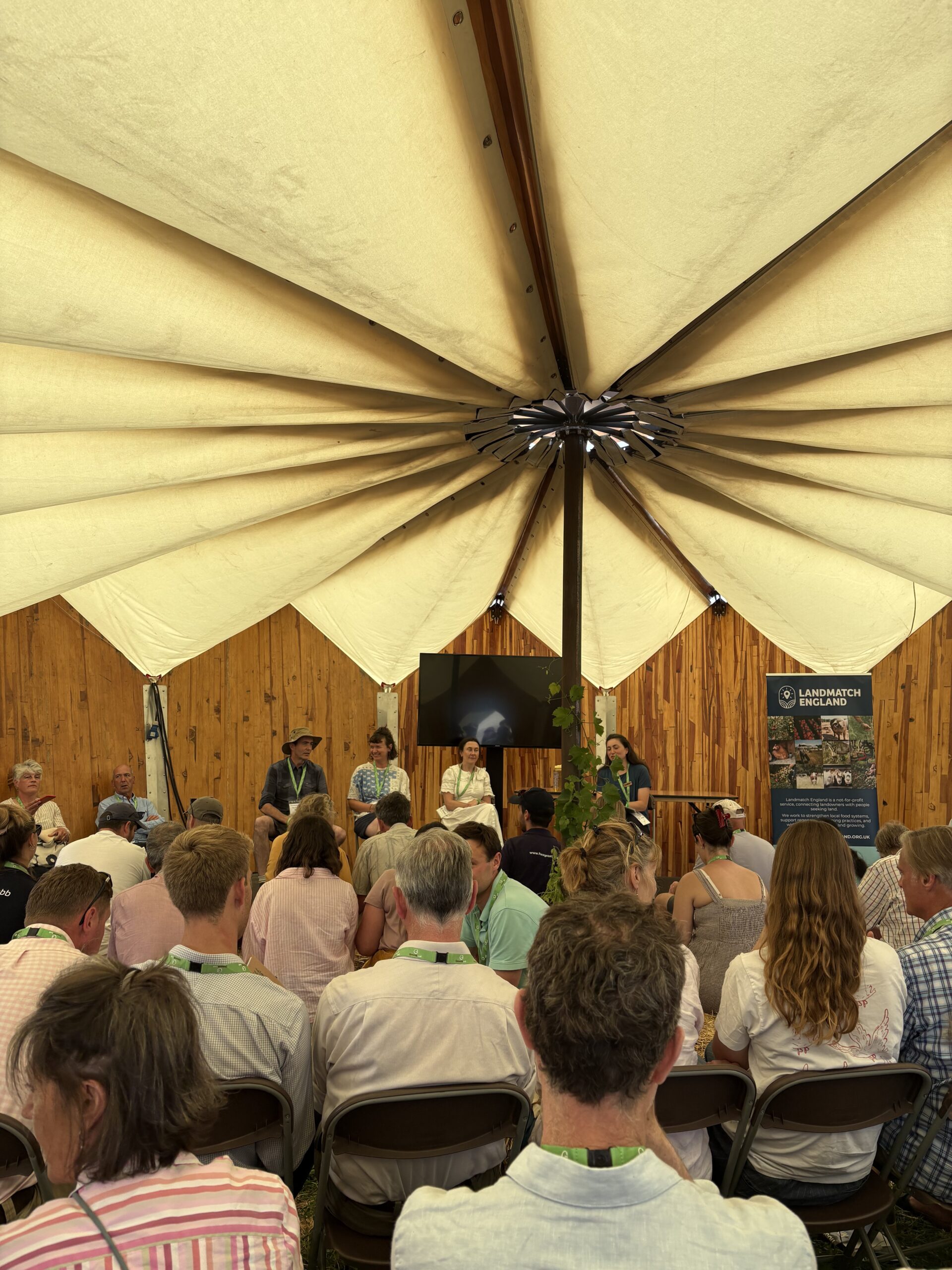
A phrase that stayed with me was: “aggregating production is key.” Whether through producer cooperatives, land-sharing models or distribution networks, the message was clear that cooperation is important to creating more resilient and equitable food systems.
Douwe Korting shared the story of Herenboeren in the Netherlands, a model that invites citizens directly into farming. Around 200 households come together to invest in a farm, share both the costs and benefits, and employ a professional farmer who receives a stable income. The result is more than just food production; it’s a community built around food, land and shared responsibility.
Listening to these examples, I came away with a real sense that bringing people closer to the processes of growing, producing and distributing food can only be a positive thing. If we want a food system that works for people and planet, then the relationships around food matter just as much as the food itself.
Another memorable session featured Dr Allen Williams, a sixth-generation farmer from South Carolina, speaking about regenerative agriculture and the importance of context.
His central message was that there is no single formula for regenerative agriculture. Every farm is different, every landscape is different, and effective land management requires observation, flexibility and adaptation.
Williams shared examples from the Roots So Deep project, which has documented the impacts of regenerative practices on farms over several years. The images showing changes in the landscape were remarkable, revealing visible improvements in soil health, plant diversity and wildlife populations.
What impressed me most was seeing regeneration presented not as a fixed set of rules, but as an ongoing process of learning and responding to place.
This felt particularly relevant given wider discussions throughout Groundswell about what the word regenerative actually means. As the term becomes more popular, questions are increasingly being asked about definitions, evidence and the risk of it becoming little more than a marketing label.
The session was a reminder that language is important. How we define and talk about concepts like regeneration influences policy, practice and public understanding, making it essential that these conversations remain connected to what is happening on the ground.

I finished my time at Groundswell with a thought-provoking session called Soil to Supermarket: What Regenerative Farming Really Means for Value and the Food We Buy.
One question posed by Dr Dolly van Tulleken has stuck with me ever since:
“Is a KitKat made from regenerative ingredients better than a normal KitKat?”
On one level, the answer might seem obvious. If ingredients have been produced using practices that support soil health and biodiversity, that is surely a positive step.
But the discussion went further than that.
When we think about food systems, can we separate production methods from everything else? What about processing, packaging, supply chains, marketing and who benefits financially?
The conversation brought me back to some of the points raised earlier by Jyoti Fernandes about cooperation, localised supply chains and the need for change across multiple parts of the food system at once.
It left me thinking that truly regenerative food systems require much more than regenerative farming alone. They require real relationships, different economies and regenerative approaches to ownership and decision-making.
I left Groundswell feeling reinvigorated and inspired.
The stories shared over the two days demonstrated that alternatives already exist. Across Europe and beyond, communities are finding creative ways to steward land collectively, support farmers, strengthen local food economies and rebuild connections between people and the places that feed them.
My strongest takeaway from Groundswell was the importance of collaboration, trust and genuine relationships in the process of transforming food systems. Across very different contexts and countries, the most powerful examples were not just about farming techniques or production methods, but about people coming together around a shared purpose.
Whether through cooperative farming, citizen-led ownership models or context-specific approaches to land management, the most inspiring stories were those that brought people closer to one another. They showed what can be possible when communities, farmers, producers and citizens work together to shape the future of food.
In many ways, this felt particularly affirming as I returned to my work with Bristol Good Food 2030. At its heart, the partnership is about bringing people and organisations together to support a better, fairer and more sustainable food system for Bristol. Groundswell was a powerful reminder that meaningful change rarely happens in isolation – it happens through connection, collaboration and the trust we build with one another along the way.
To stay updated on future events, job opportunities and news, don’t forget to sign up for the Bristol Good Food Update at bristolgoodfood.org/newsletter.
So, what change do you want to see happen that will transform food in Bristol by 2030? Do you already have an idea for how Bristol can make this happen? Join the conversation now.
* Required field
Good Food Governance
Good Food Governance
Good Food Governance

Good Food Governance