Good Food Governance
5 Years of Gold: What Bristol’s good food movement can achieve together
By Heloise Balme
Good Food Governance
By Heloise Balme
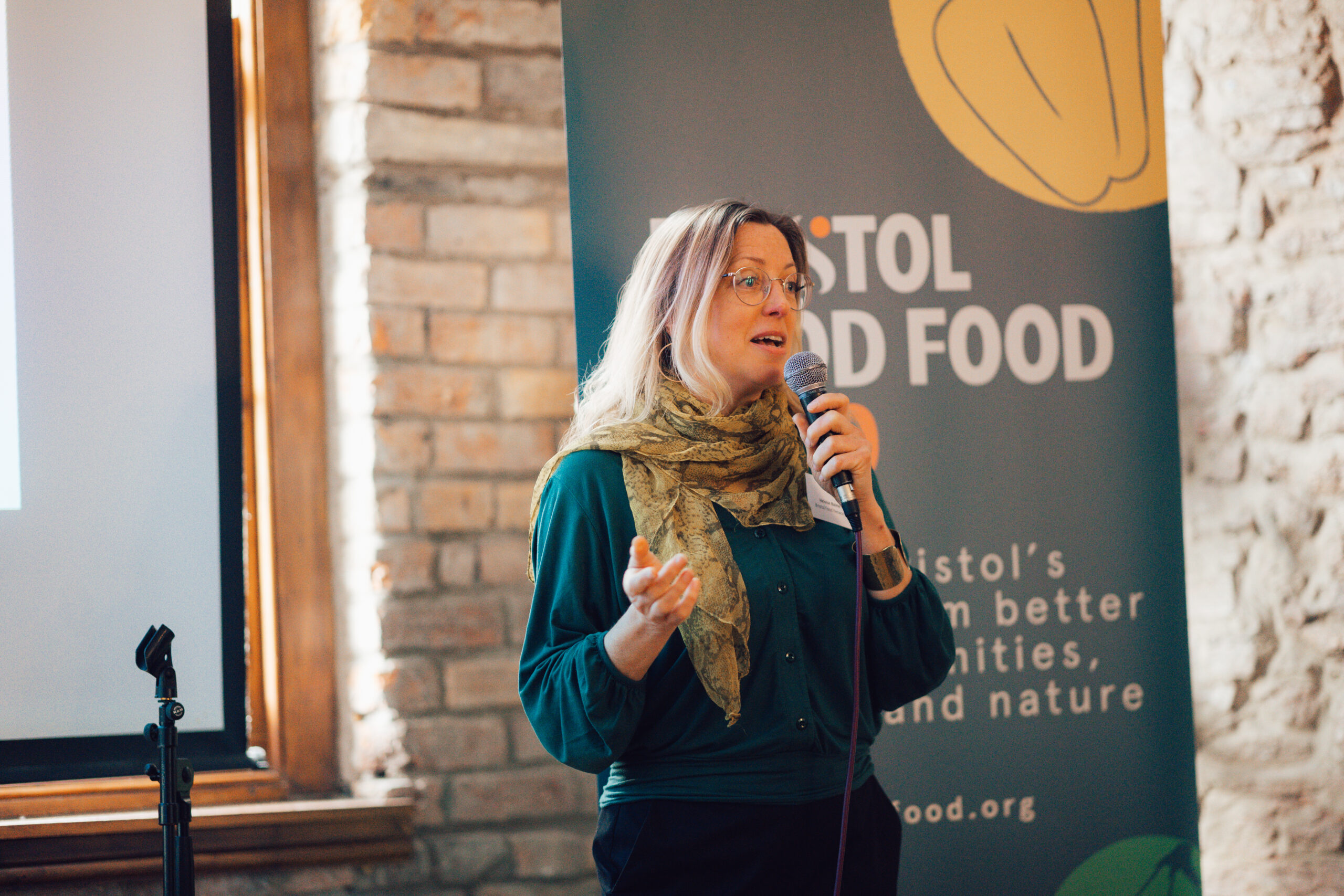
Bristol Food Network’s CEO Heloise Balme reflects on five years since Bristol became a Sustainable Food Places (SFP) Gold Awarded city, exploring what partnership working has made possible, and what comes next.
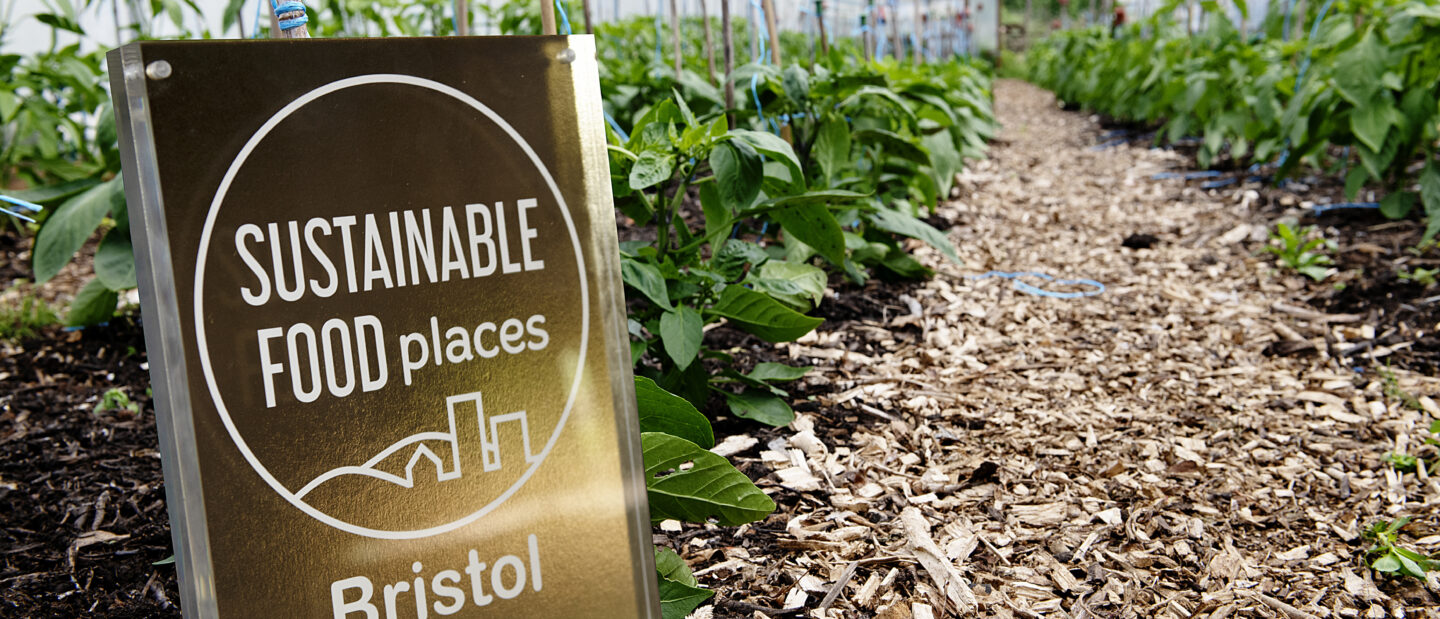
Five years ago, Bristol became only the second city in the UK to achieve a Sustainable Food Places (SFP) Gold Award, following in the footsteps of Brighton and Hove.
It was a proud moment for the city, recognising years of work by community and public sector organisations, charities and businesses to make food better for our communities, climate and nature.
But five years on, perhaps the more interesting question is not simply what did Bristol achieve to get Gold and why does this matter for the city? It is: what has that achievement made possible since, and what can we achieve together next?
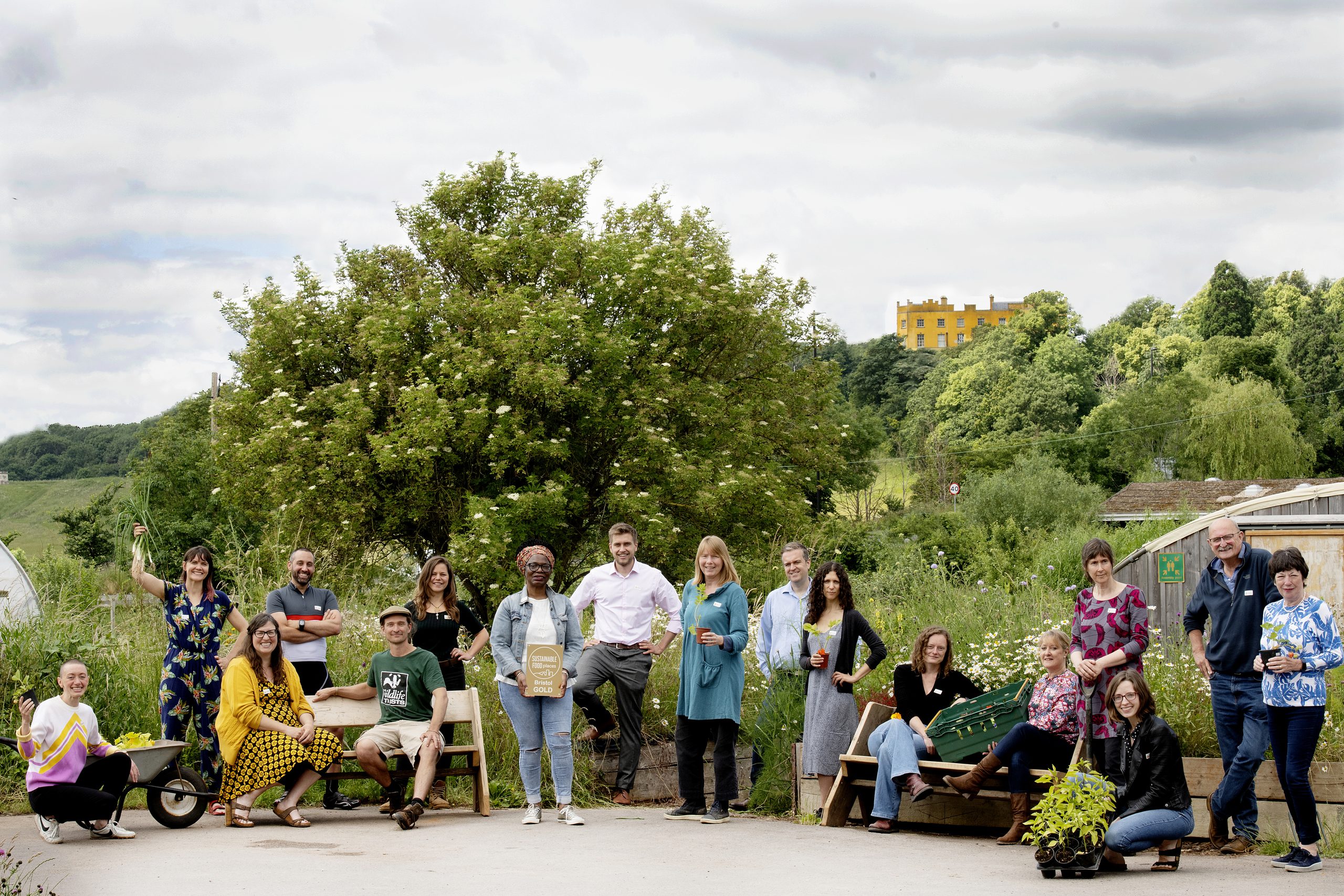
To gain an SFP Gold Award, a city needs to demonstrate excellence in two areas of food systems change, and significant progress across all six of the Sustainable Food Places ‘key areas’: Eating Better, Food Waste, Local Food Economy, Good Food Governance, Urban Growing and Food Justice,
For Bristol, our areas of excellence were Towards Zero Food Waste and Growing a Good Food Movement. The first recognised the city’s leading work to tackle food waste, from being the first major UK city to introduce kerbside collections to strong collaboration in reducing commercial food waste.
The second recognised something harder to measure, but just as important: the growing number of people and organisations taking action to improve our local food system. Through our Going for Gold public campaign, 82 organisations pledged 541 actions and 1,437 individual actions were logged on the ‘Bristol Going for Gold’ website. The group actions taken were by community groups, food businesses, school caterers, academics and leading businesses, among other organisations.
Even before we received the award, conversations were already happening about what Bristol’s next chapter could look like. The idea was Bristol Good Food 2030, a new partnership and plan of action for this decade, which is so crucial for addressing the climate and nature emergencies.
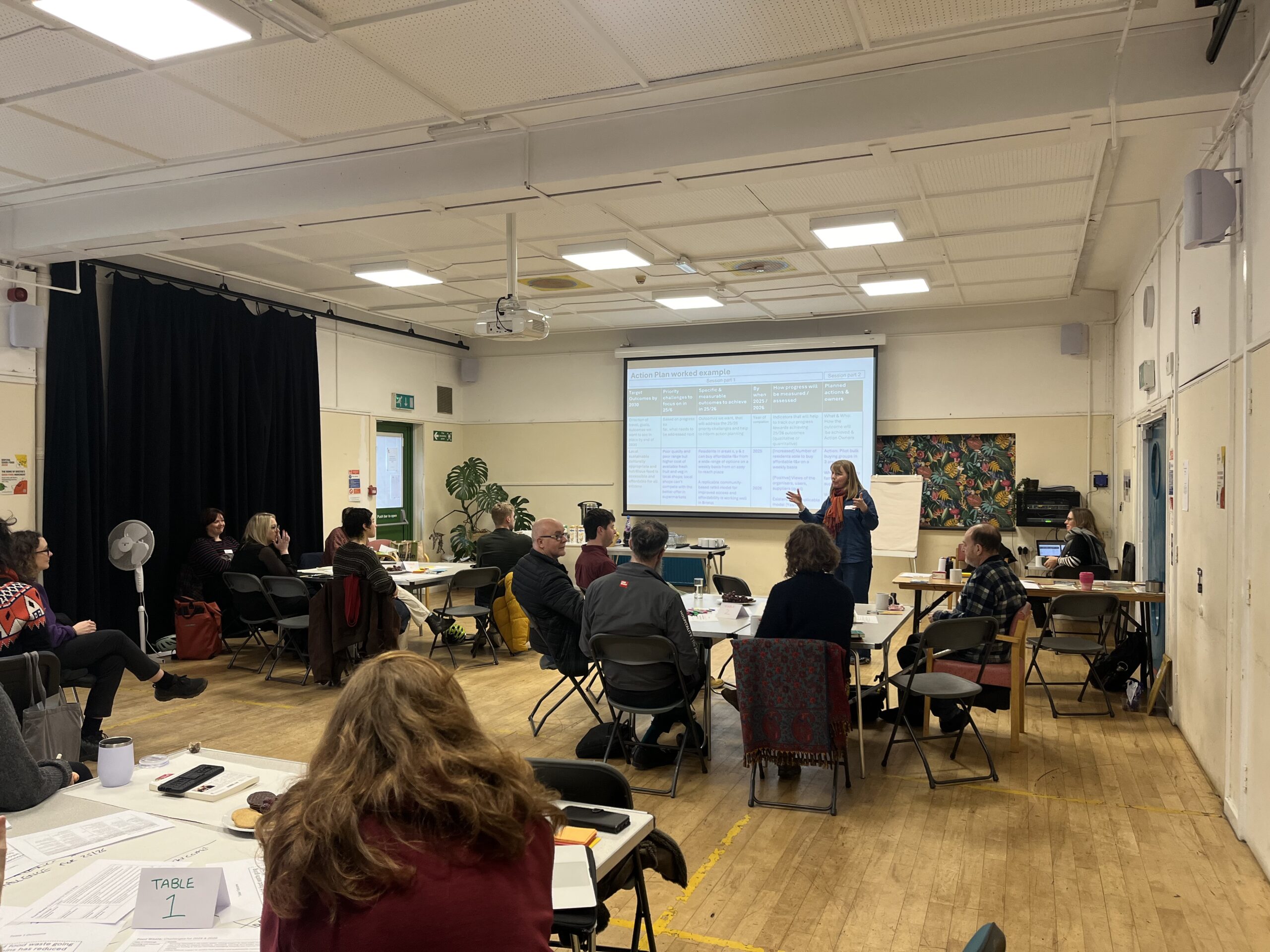
When we first established Bristol Good Food 2030 (BGF2030) in late 2021, we worked with around 50 partners to start defining goals and action plans for the coming years. Fast forward to 2026 and we now have more than 130 partners involved in shaping and delivering actions across six themes, Eating Better Food Waste, Local Food Economy, Good Food Governance, Urban Growing and Food Justice.
That is where Bristol Food Network’s role is vital. We coordinate the Bristol Good Food 2030 partnership on behalf of the city, drawing on our food systems expertise and the wide network we have built over the past 16 years – or 30 years, if we go right back to our grassroots beginnings! Our role is to bring people together, share knowledge, spark new ideas and collaborations, and help turn those connections into action.
Despite the Gold award success and all the enthusiasm and commitment of those involved in this work, it isn’t always easy to enact the changes we collectively aspire to. Public, private and charitable sector partners have been hit hard in one way or another in the years since Covid-19, income and profits have reduced for many and the turbulence of both geopolitics and climate change have had a big impact.
But I believe the backdrop of the wider world is why we all keep going – there is strength in numbers and mutual support, both when things are hard and we need to turn to each other to solve problems, and in when we succeed and celebrate together.
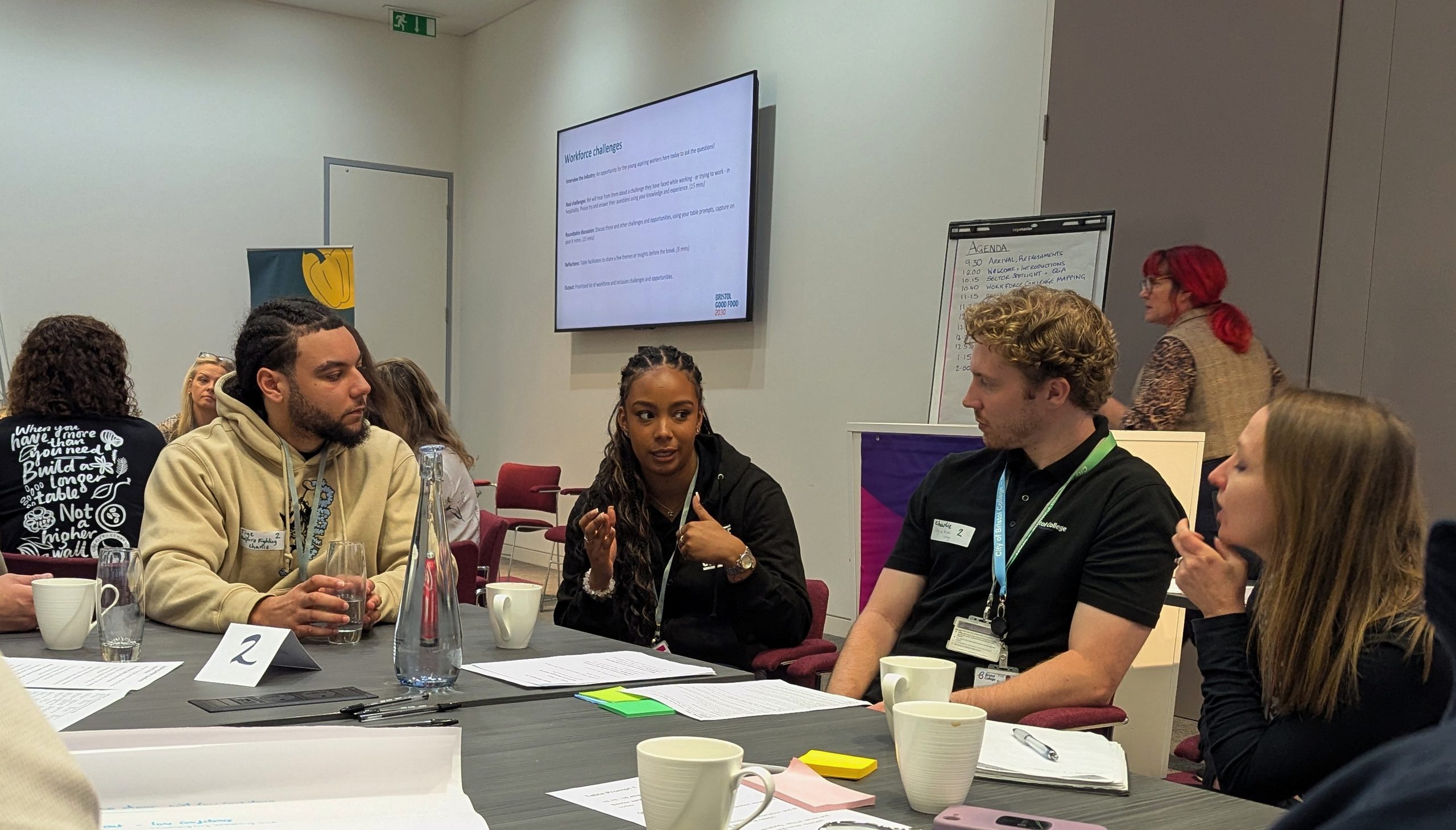
Week to week, it’s about connecting partners and facilitating new collaboration which moves Bristol Good Food 2030 (BGF2030) closer to its ambitious goals.
Take Full Circle Docklands, for example. They are leading Bristol’s Young Futures Hubs and Transformation Programme pilot, one of just eight UK pilots, and our role has been to connect them with food education partners.
That connection led to The Children’s Kitchen working with them on their Children’s Food Charter project.
Or looking at community food growing projects. By connecting these groups to Bristol City Council, we can help ensure the experience and knowledge of people growing food in communities informs local government policy.
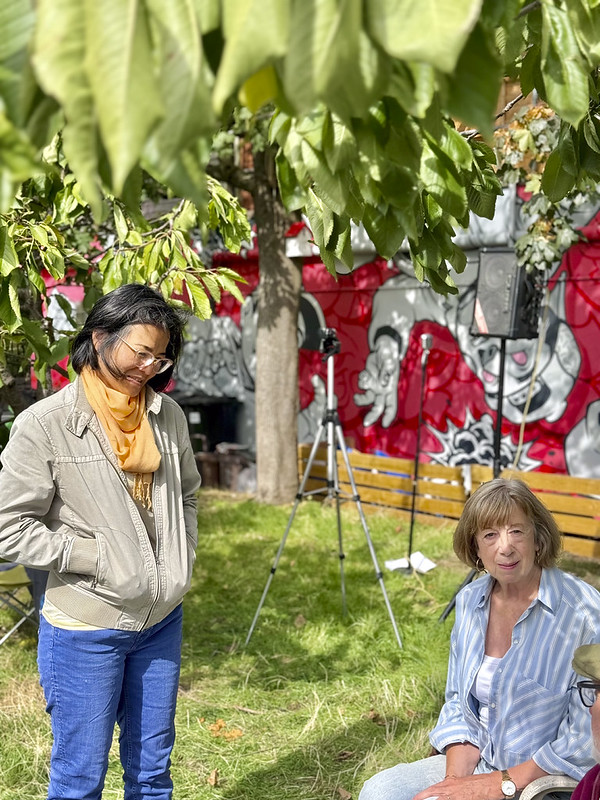
Or food sector training. Connecting programmes such as the Food Talent Pathway to local hospitality businesses has helped young people secure long term employment.
These might sound like separate pieces of work. But they all demonstrate the same thing: sometimes the most useful thing you can do is connect the right people at the right time. Together, they create something greater than the sum of their individual parts, showing the real impact of the partnership as a whole.
On a wider scale, the partnership’s work is delivering ambitious and longer-term projects such as the Food Disaster Risk Planning project, where Bristol Food Network, Feeding Bristol and the city’s two universities have worked with local communities and partners such as the council to learn from the Covid-19 emergency food response, to help us better prepare for future disaster scenarios.
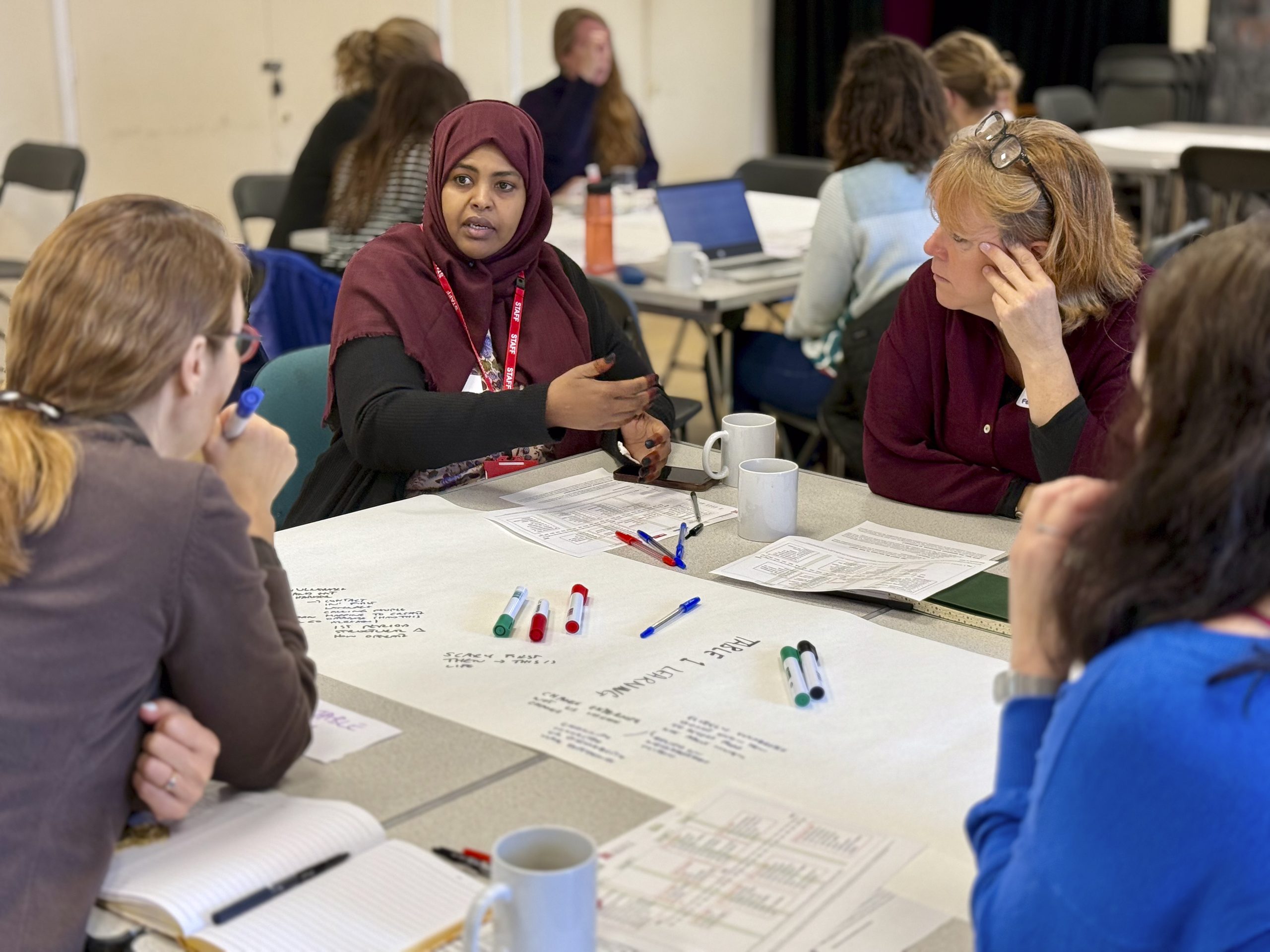
This has been leading work nationally and extremely relevant to current discourse on national food security and resilience in the face of this year’s droughts and current geopolitical disruption.
This year, the value of food partnership working has been recognised by the Department for Environment, Food and Rural Affairs (Defra) awarding five English SFP Gold Award (or Soil Association Food for Life Served Here Gold awarded) places funding to improve food within public sector institutions.
In Bristol, this is supporting us to realise ambitions set out by partners in the BGF2030 Procurement and Urban Growing Action Plans to get more local and sustainably produced food served in public institutions.
There is much more happening across the partnership than any one blog story could do justice to. And five years after Bristol became only the second city in the UK to achieve Sustainable Food Places Gold, and with only eight places in the country currently holding Gold, this is not an easy accolade to achieve, there is plenty to celebrate and do.
In 2027, we will be working with partners on the next set of BGF Action Plans, covering 2028-2030 and we will start to focus on ‘what’s next for the coming decade?’ as we hope to continue this work beyond 2030. Sometimes, it feels like the work is just getting going and the more of us that join Bristol’s Good Food Movement, the greater the opportunity to achieve real change.
If you want to know more about what’s happening, check out the Bristol Good Food website, including events stories, opportunities and much, much more. Or sign up to our monthly newsletter and follow us on social media – Facebook, Instagram or Bluesky.
If you have an idea, a question or something you think you could contribute to Bristol’s Good Food Movement, please get in touch.
So, what change do you want to see happen that will transform food in Bristol by 2030? Do you already have an idea for how Bristol can make this happen? Join the conversation now.
* Required field
Good Food Governance

Good Food Governance
Good Food Governance
Good Food Governance